







Discover the Beaune appellation
and its Hospices de Beaune cuvées
Hospices de Beaune wines inside the Beaune premier cru appellation
White and red wines
- Beaune 1er Cru Les Montrevenots Cuvée Suzanne & Raymond (white)
- Beaune 1er Cru Clos des Mouches Cuvée Hugues et Louis Bétault
- Beaune 1er Cru Cuvée Brunet
- Beaune 1er Cru Cuvée Clos des Avaux
- Beaune 1er Cru Les Montrevenots Cuvée Cyrot Chaudron
- Beaune 1er Cru Cuvée Dames Hospitalières
- Beaune 1er Cru Cuvée Guigone de Salins
- Beaune 1er Cru Cuvée Hugues et Louis Bétault
- Beaune 1er Cru Cuvée Maurice Drouhin
- Beaune 1er Cru Cuvée Nicolas Rolin
- Beaune 1er Cru Cuvée Rousseau Deslandes
- Beaune Grèves 1er Cru Cuvée Pierre Floquet
The style of Beaune wines
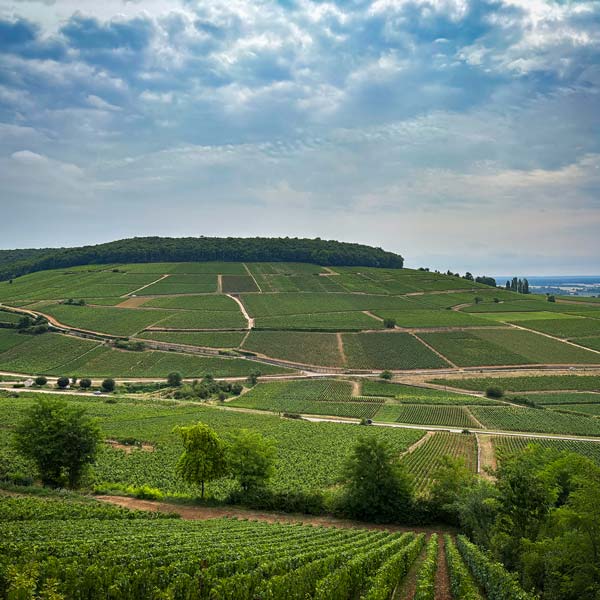
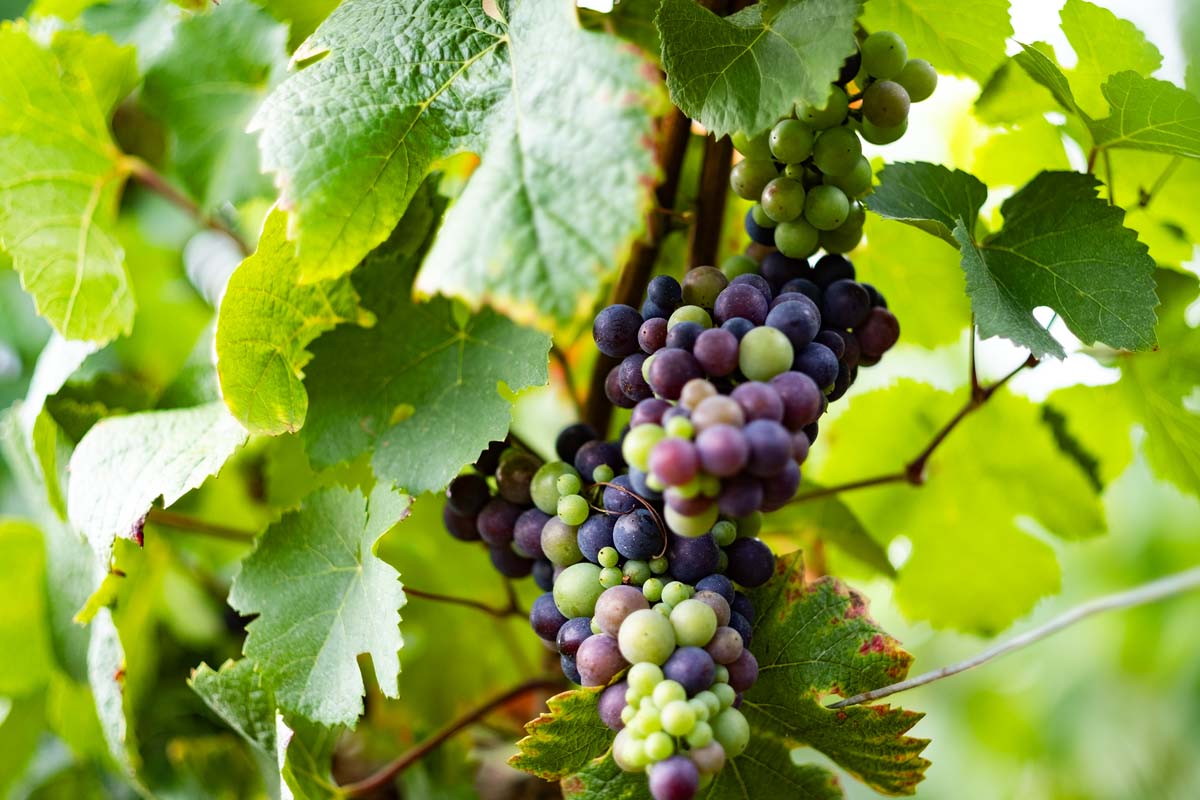
Beaune wines express the full diversity of their terroir, depending on the location of the vineyards around the town. In the north of the appellation, the wines are often more intense and structured, while in the south they reveal a softer, rounder style.
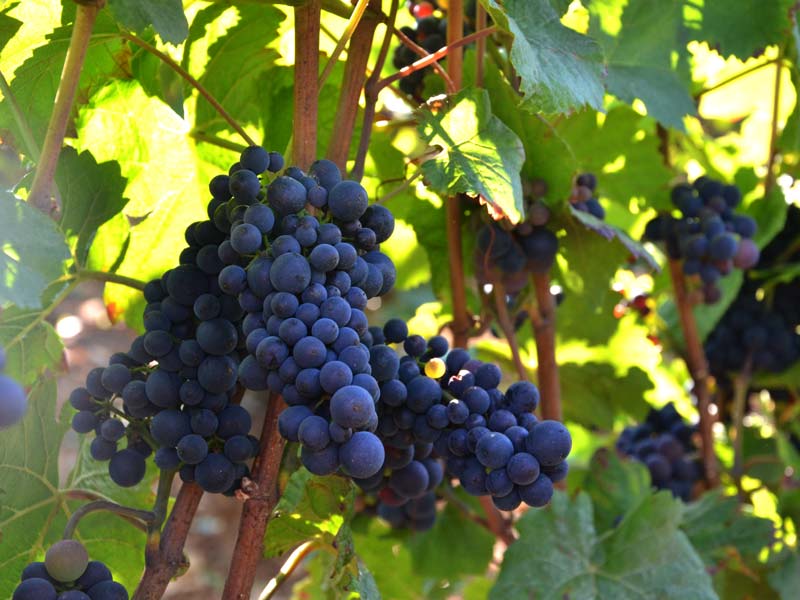
In red, Beaune appellation wines are generally bright, lively and scarlet in color. Their bouquet opens with aromas of black and red fruits - blackcurrant, blackberry, cherry, redcurrant - accompanied by nuances of humus and undergrowth. Over time, more complex notes of truffle, leather and spices emerge. When young, the wine seduces with the crisp charm of fresh grapes; with age, it gains in depth, revealing an elegant, well-built structure.
Beaune white wines have a golden color with green highlights. Their bouquet combines almond, dried fruit, fern and white flowers, enriched by hints of honey and cinnamon. In its youth, the wine seduces with its freshness and fruity expression; after a few years, it develops more roundness and complexity. There's so much to discover!
Buy a Beaune appellation wine at the Hospices de Beaune auction with Albert Bichot
Beaune is the most represented appellation within the Domaine des Hospices, with around 20 hectares of vines owned by the Hospital, and a dozen different cuvées, mostly red. There's sure to be one that will appeal to you at the auction. We offer two purchase options for this essential appellation, from a single bottle to a full barrel. You'll also find our older vintages of Beaune 1er Cru immediately available on our online store. Optional personalization of the label with your name.
Option 1 - Buy at the Hospices auction from just 1 bottle with Albert Bichot
Option 2 - Buy a full barrel (or a fraction) at Hospices auction
Beaune white: food and wine pairings
Beaune appellation white wines combine Chardonnay in an elegant, precise register, with notes of pear, white flowers and hazelnut. This aromatic finesse and fine acidity are the perfect match for seafood and everyday or festive cuisine.
- Chicken supreme with cream and morel mushrooms
- Roasted turbot, hazelnut and lemon butter
- Pan-fried scallops, celery purée
- Sushi or sashimi
- Mussels in cream sauce
Beaune red: food and wine pairings
Beaune red wines combine suppleness and elegance. Their aromas of ripe red fruit, cherry and redcurrant, with occasional hints of sweet spices, are ideal with refined, flavorful dishes.
- Pot-au-feu
- Coq au vin
- Risotto with porcini mushrooms (vegetarian)
- Cheeses: Epoisses, Soumaintrain, Maroilles
Beaune terroir
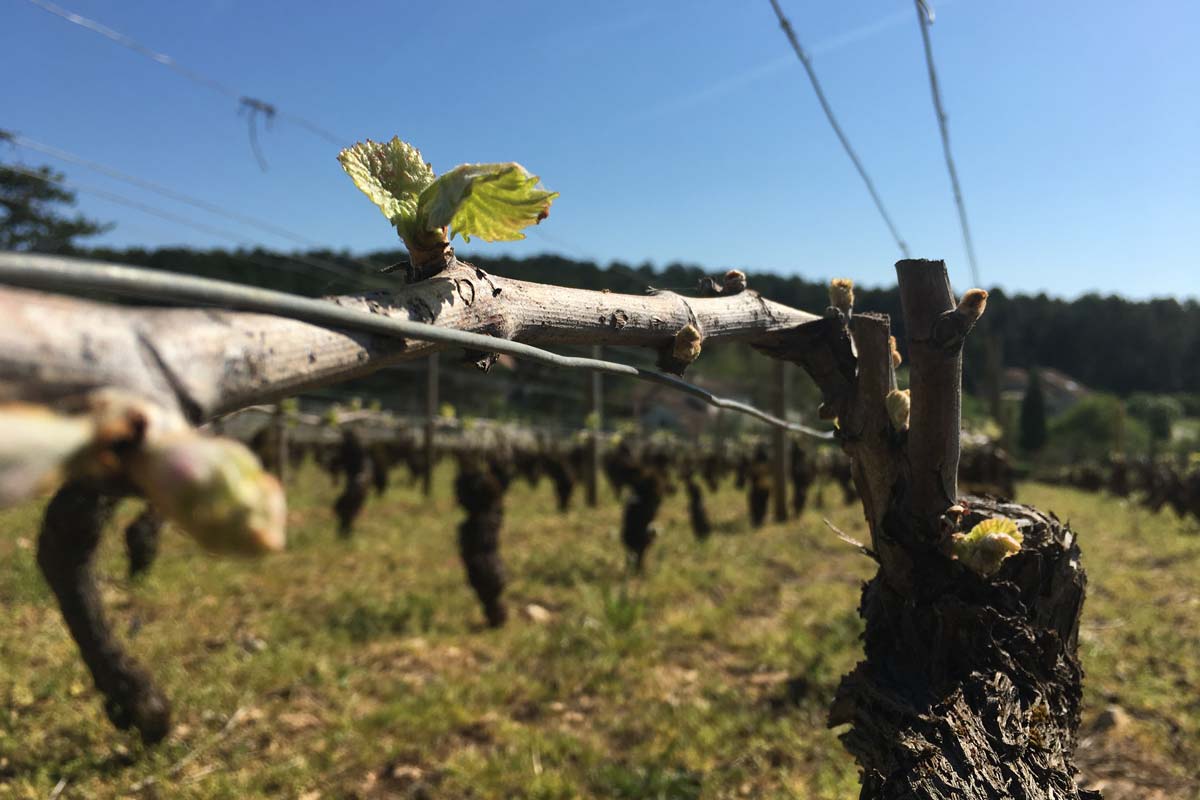
The soils of the appellation are clay-limestone, but with differences depending on the location. Layers of Rarocien limestone on the vineyard tops. In the middle, layers of Comblanchien limestone with Argovian marl on thick, white, grey or yellow soils, tinged with red by the ferruginous Oxfordian.
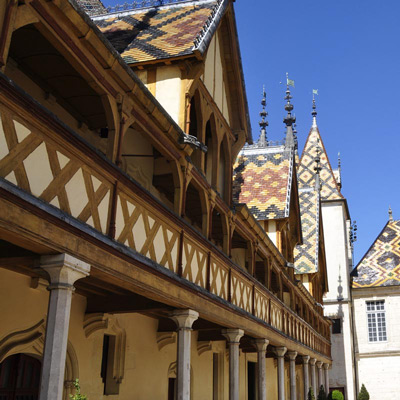
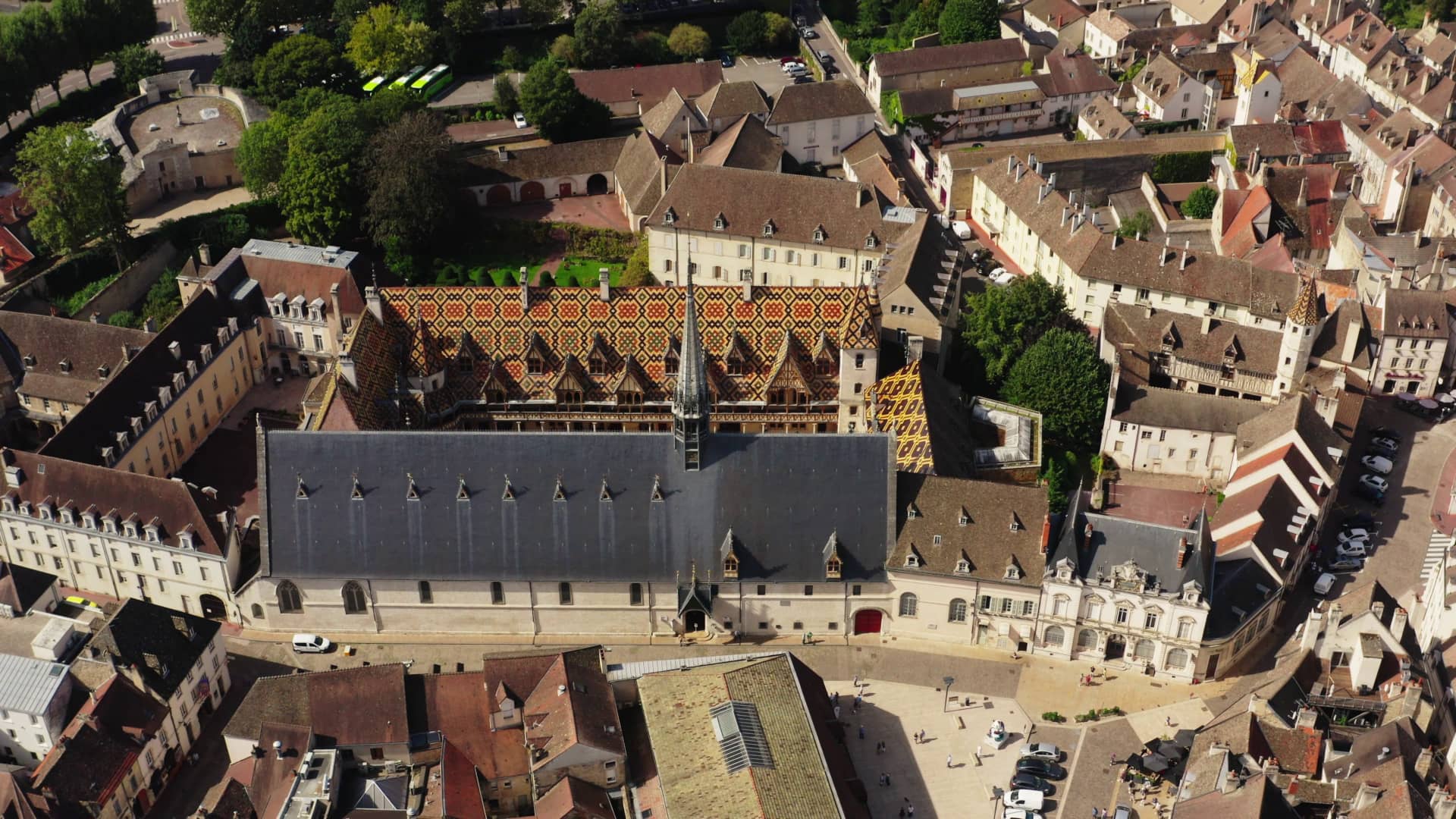
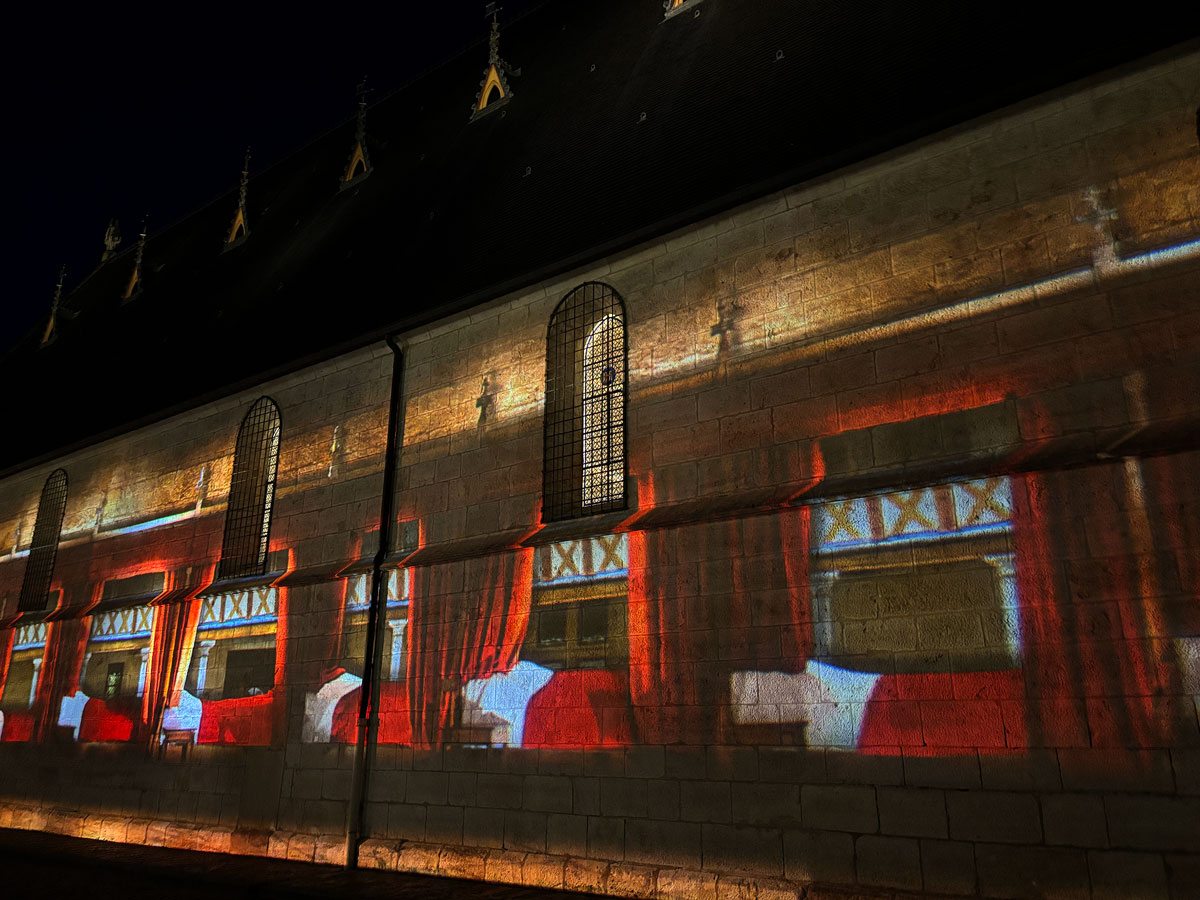
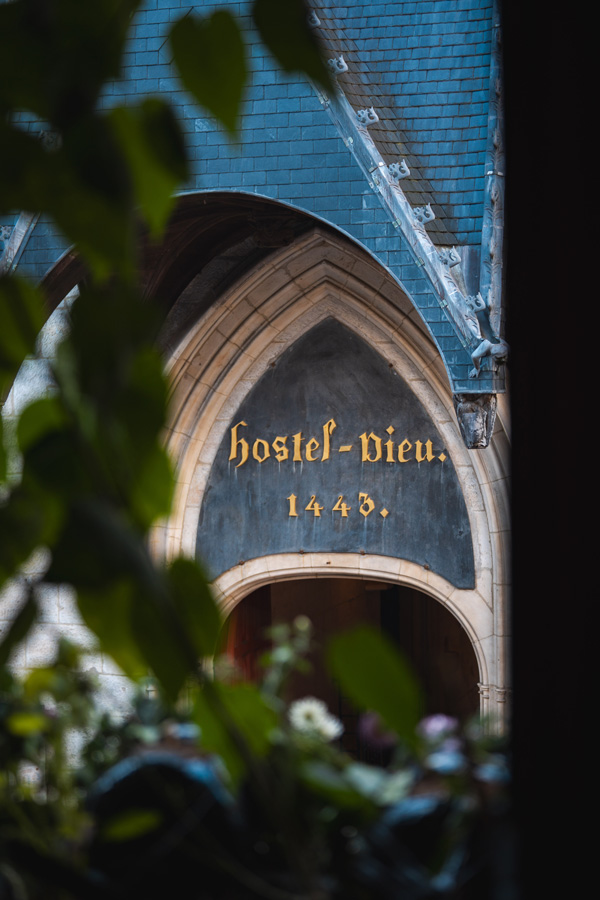
Thanks to a unique history that began in 1443 with the founding of the Hôtel-Dieu, followed by a first donation of vines in 1459, the Domaine des Hospices de Beaune vineyard is - quite logically - particularly important in the Beaune appellation, with some twenty hectares. As a result, with no fewer than 12 AOC Beaune 1er Cru cuvées, they draw on a splendid diversity of terroirs, frequently blended together to create cuvées with specific styles and flavors.
It's a terroir we know very well at Albert Bichot, as we're lucky enough to own two parcels in the Beaune appellation. Notably the prestigious Clos des Mouches du Domaine du Pavillon in white, right next to the Hospices de Beaune plot of this exceptional wine.
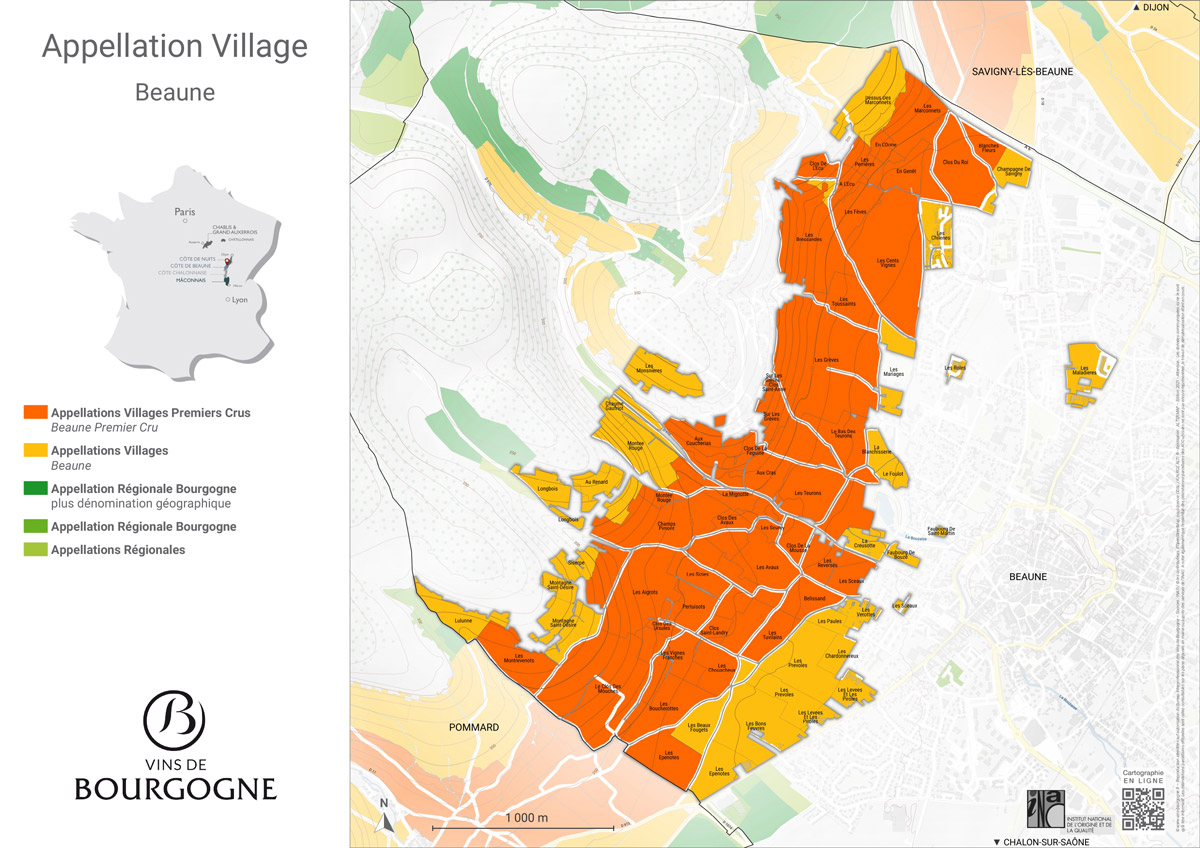
Beaune's climats within the Hospices de Beaune estate and its cuvées
WHITE WINES
- Beaune 1er Cru Clos des Mouches Cuvée Hugues et Louis Bétault: Clos des Mouches
- Beaune 1er Cru Les Montrevenots Cuvée Suzanne & Raymond (white): Les Montrevenots
RED WINES
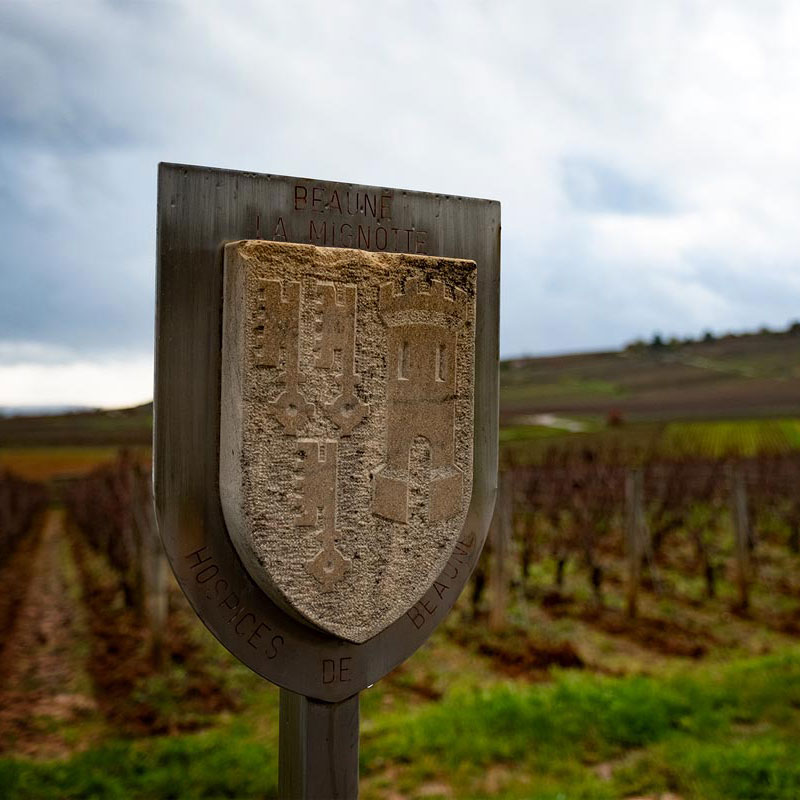
- Beaune 1er Cru Cuvée Dames Hospitalières: La Mignotte, Les Bressandes, Les Teurons
- Beaune 1er Cru Cuvée Guigone de Salins: Les Bressandes, Les Seurey, Champs Pimont
- Beaune 1er Cru Cuvée Nicolas Rolin: Les Cent Vignes, Les Teurons, Les Grèves, En Genêt, Les Bressandes
- Beaune Grèves 1er Cru Cuvée Pierre Floquet: Les Grèves (cuvée monoterroir)
- Beaune 1er Cru Cuvée Clos des Avaux: Clos des Avaux (cuvée monoterroir)
- Beaune 1er Cru Cuvée Maurice Drouhin: Les Avaux, Les Boucherottes, Champs Pimonts, Les Grèves
- Beaune 1er Cru Cuvée Rousseau Deslandes: Les Cent Vignes, Les Mignottes, Les Montrevenots
- Beaune 1er Cru Cuvée Brunet: Les Bressandes, Le Bas des Teurons, Les Cent Vignes
- Beaune 1er Cru Les Montrevenots Cuvée Cyrot Chaudron: Les Montrevenots
- Beaune 1er Cru Cuvée Hugues et Louis Bétault: Les Aigrots, La Mignotte, Les Grèves
The appellation map
Etymology
The commonly accepted etymology of Beaune is that it derives from the Gallic Latinized word Belena, which was the name of a spring around which the Gallo-Roman settlement developed. Belenos was an important Celtic deity, often likened by the Romans to Apollo because of his associations with light, springs and sometimes curative functions.
Beaune: 2000 years of history in 4 key periods
1. Antiquity and the Gallo-Roman period (before the 5th century)
The Beaune site has been occupied since Gallic times, around a sacred spring dedicated to the god Belenos. The Romans established a vicus along the road linking the Saône valley to inland Gaul. The town grew up around this spring, laying the foundations for future urban development.
2. Early Middle Ages (5th - 10th century)
After the fall of the Roman Empire, Beaune became an administrative and religious center under the rule of the Merovingians and Carolingians. The primitive walls protected the inhabitants and the local market was built around the church and the bishop's palace. The town consolidated its position as a strategic point on Burgundy's trade routes.
3. Central Middle Ages and Renaissance (11th-16th centuries)
Beaune prospered thanks to the wine trade and the creation of the Hôtel-Dieu in 1443 by Nicolas Rolin, chancellor to the Duke of Burgundy, and his wife Guigone de Salins des Hospices. The town was fortified and underwent a major architectural boom, with bourgeois houses and private mansions. It became a major political and economic center of Burgundy, attracting craftsmen, merchants and religious figures.
4. Modern and contemporary times (17th century - today)
In the 17th and 18th centuries, Beaune became a major player in the international wine trade, enhancing its reputation throughout Europe. The town suffered little major destruction and has preserved an exceptional architectural heritage, notably its ramparts and townhouses. Today, Beaune is both the historic and wine-growing capital of the Côte de Beaune, hosting tourism, culture and gastronomy.
Discover all appellations from Domaine des Hospices de Beaune
-
Through these exceptional grands crus, each Hospices bottle tells the story of a unique terroir. With their own distinctive style, these appellations are the realm of the very finest pinot noir.
-
Explore unforgettable flavors, both white and red. Each of these appellations transports you back in time and geography. A mosaic of climates to (re)discover with passion.
-
These treasures perfectly complement the southern and northern Burgundy roots of the Domaine des Hospices de Beaune. Not to be missed!
Key facts about the Beaune appellation
-
- Location : Burgundy > Côte de Beaune
- Creation of the appellation: 1936
- AOC surface area: 475 hectares, of which 337 are Premier Cru.
- Red wines account for over 2/3 of the Beaune appellation. This proportion rises to 80% if we consider only Beaune 1er Cru.
Vintage guide at Hospices de Beaune
Every year is different. Discover its flavour
All appellations at Hospices de Beaune
Great wines born from great terroirs