






Discover all the appellations
from Hospices de Beaune estate
The Bourgogne appellations from Domaine des Hospices de Beaune
Great wines, great terroirs
A unique estate in the Burgundy winegrowing landscape, the Hospices de Beaune vineyard has been built up over 5 centuries through donations. This tradition is still very much alive, and has enabled the Domaine des Hospices de Beaune to grow steadily, reaching just over 60 hectares today.
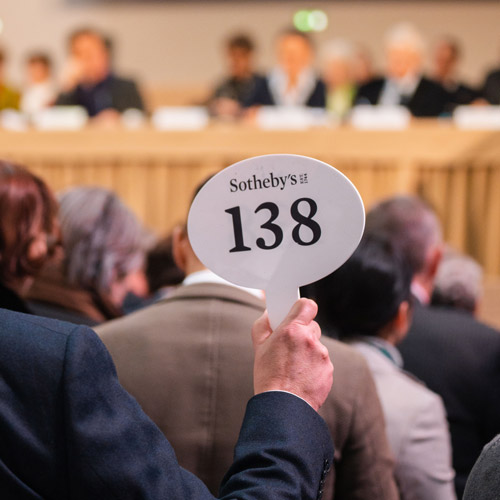
All the cuvées sold at auction on the 3rd Sunday following the harvest come from several appellations. These are historically centered on Beaune and the surrounding villages (Pommard, Savigny) or nearby such as Meursault. More recently, the Domaine expanded into Côtes de Nuits in the 1970s, and even more recently into Chablis and Vézelay. History in motion, always.
Hospices de Beaune appellations in Côte de Nuits
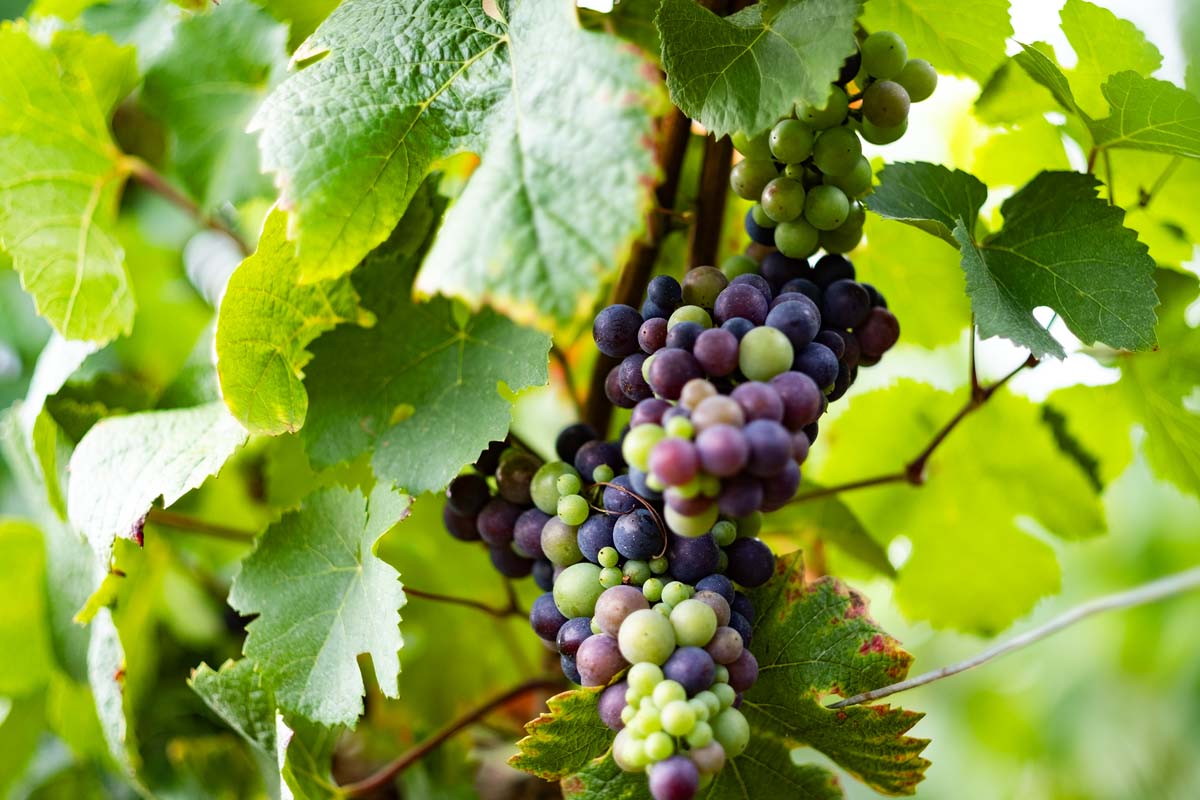
THE EXCELLENCE OF PINOT NOIR
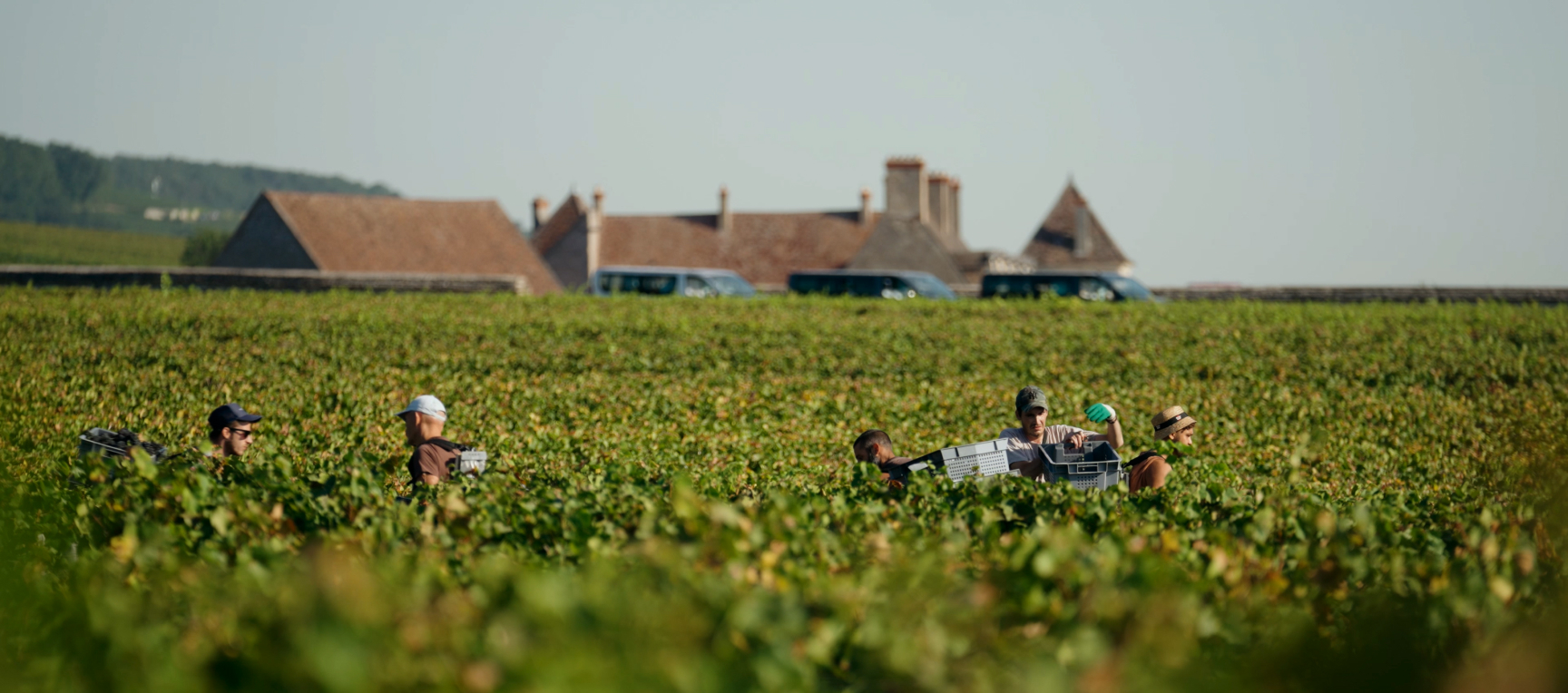
Through these exceptional grands crus, each Hospices bottle tells the story of a unique terroir. With their own distinctive style, these appellations are the realm of the very best pinot noir.
Hospices de Beaune appellations in Côte de Beaune
DIVERSITY & CHARACTER
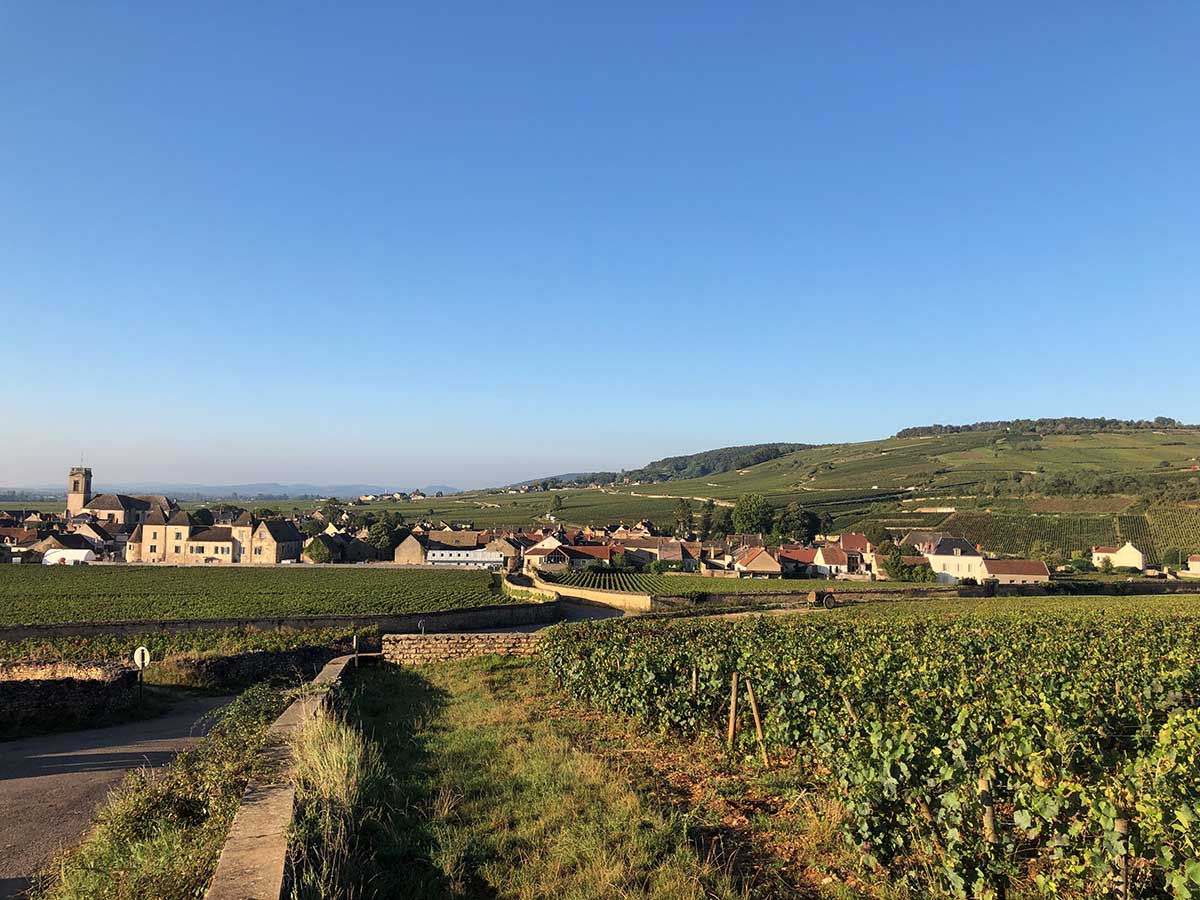
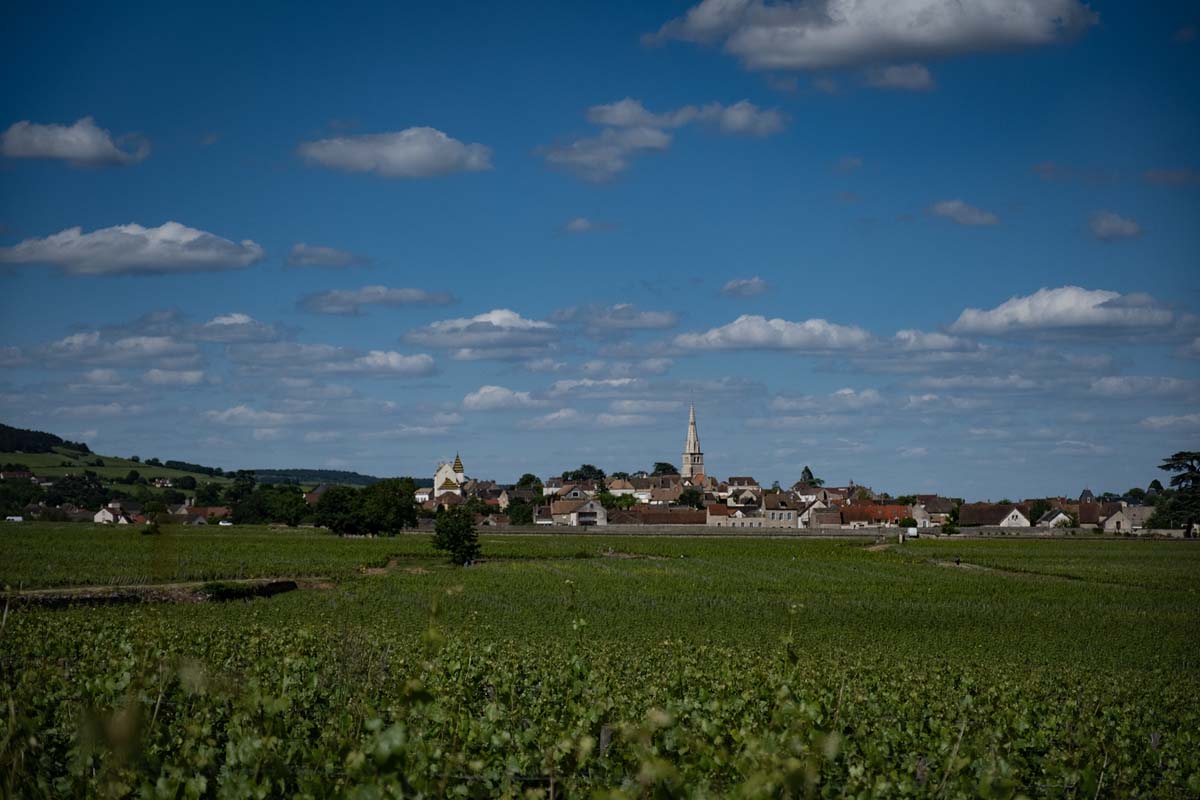
Explore unforgettable flavors in both white and red wines. Each of these appellations transports you back in time and geography. A mosaic of climates to (re)discover with passion.
Other Hospices de Beaune appellations
FROM NORTH TO SOUTH
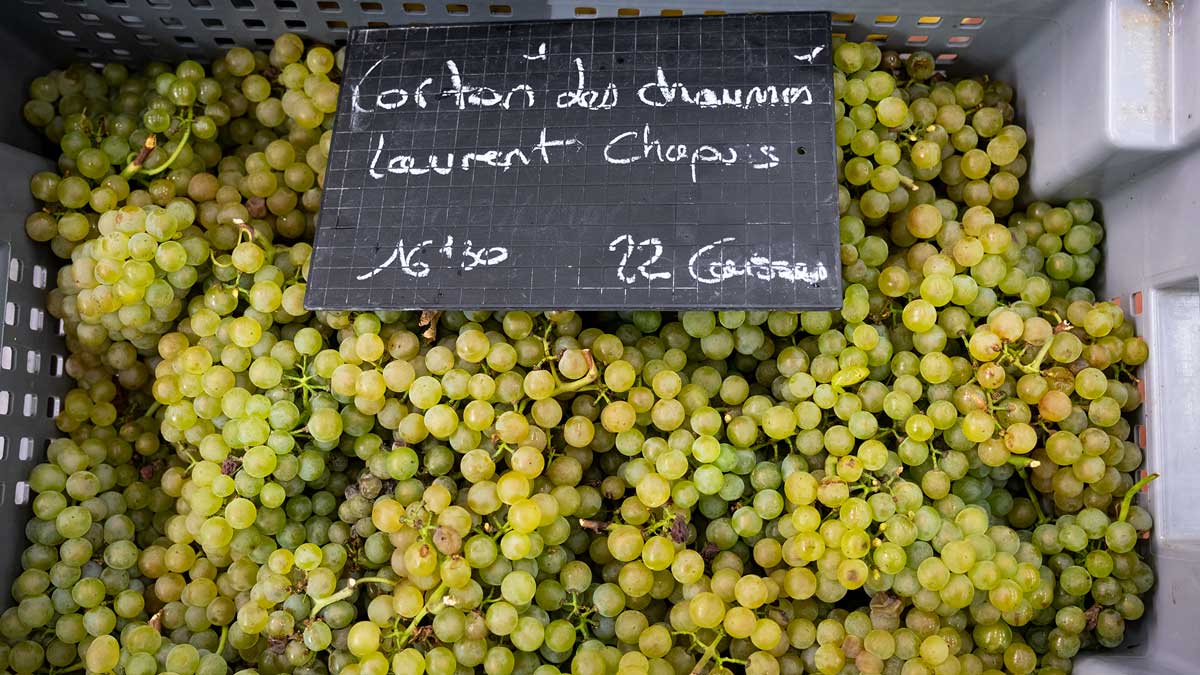
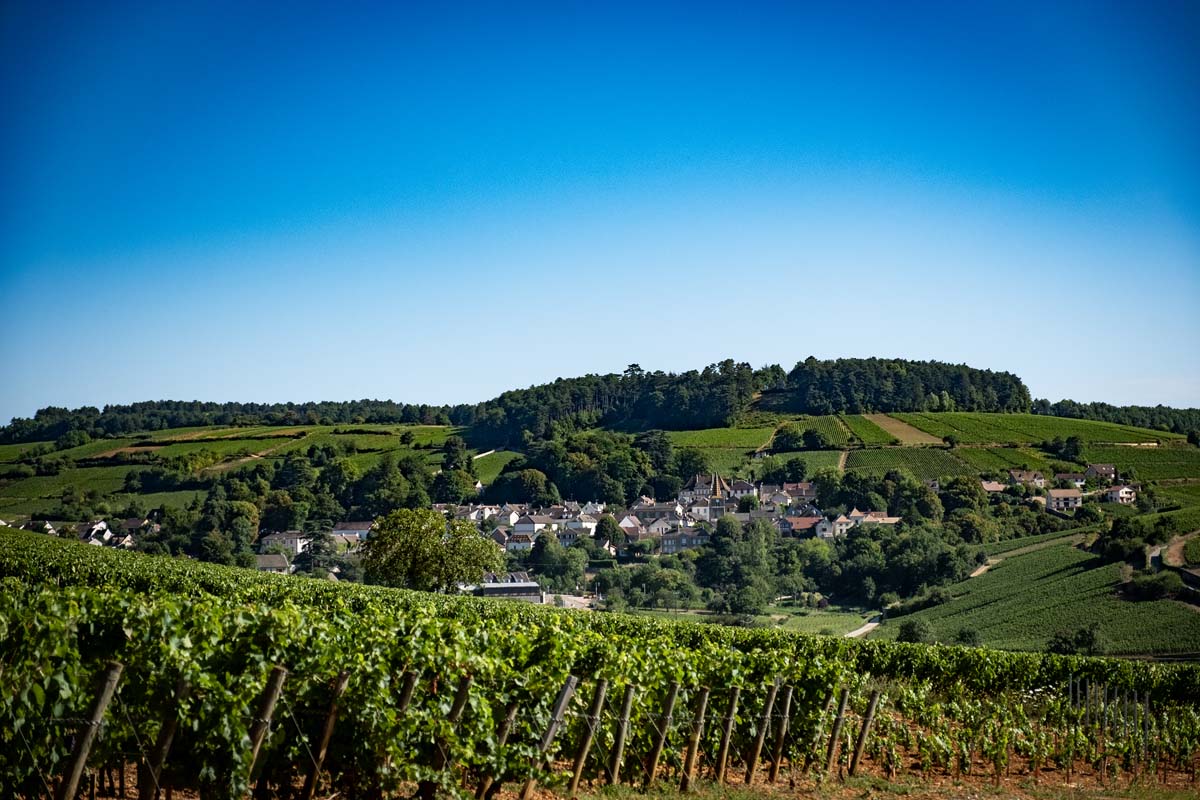
These treasures are the perfect complement to the Domaine des Hospices de Beaune's southern and northern Burgundy roots. Not to be missed!
Buy from 1 bottle at Hospices with Albert Bichot
Buying a full barrel (or a fraction)
at auction: a unique experience
Understanding Bourgogne wines appellations
Burgundy wine classification: a history of terroirs
In Burgundy, the hierarchy of wines was not built in a day. As early as the end of the XVIIIᵉ century, efforts were made to distinguish the best terroirs. In the XIXᵉ century, several authors laid the foundations of a true classification: André Jullien in 1816, Denis Blaise Morelot in 1831, then above all Jules Lavalle in 1855, whose work left a lasting mark on the region. Unlike Bordeaux, which classified châteaux, Burgundy chose to classify parcels of vines: the famous "climats". This unique approach formed the basis of the modern regulations introduced by the INAO in 1935.
AOC: a guarantee of origin and know-how
The Appellation d'Origine Contrôlée (AOC) protects an intimate link between a wine, a place and the people who make it. It certifies that all stages of production - from vine to bottle - are carried out in a precise geographical area, according to strict rules and recognized know-how. In Burgundy, this notion takes on its full meaning: soil, climate, exposure and the hand of man combine to give birth to wines deeply rooted in their territory.
84 appellations, a mosaic of expressions
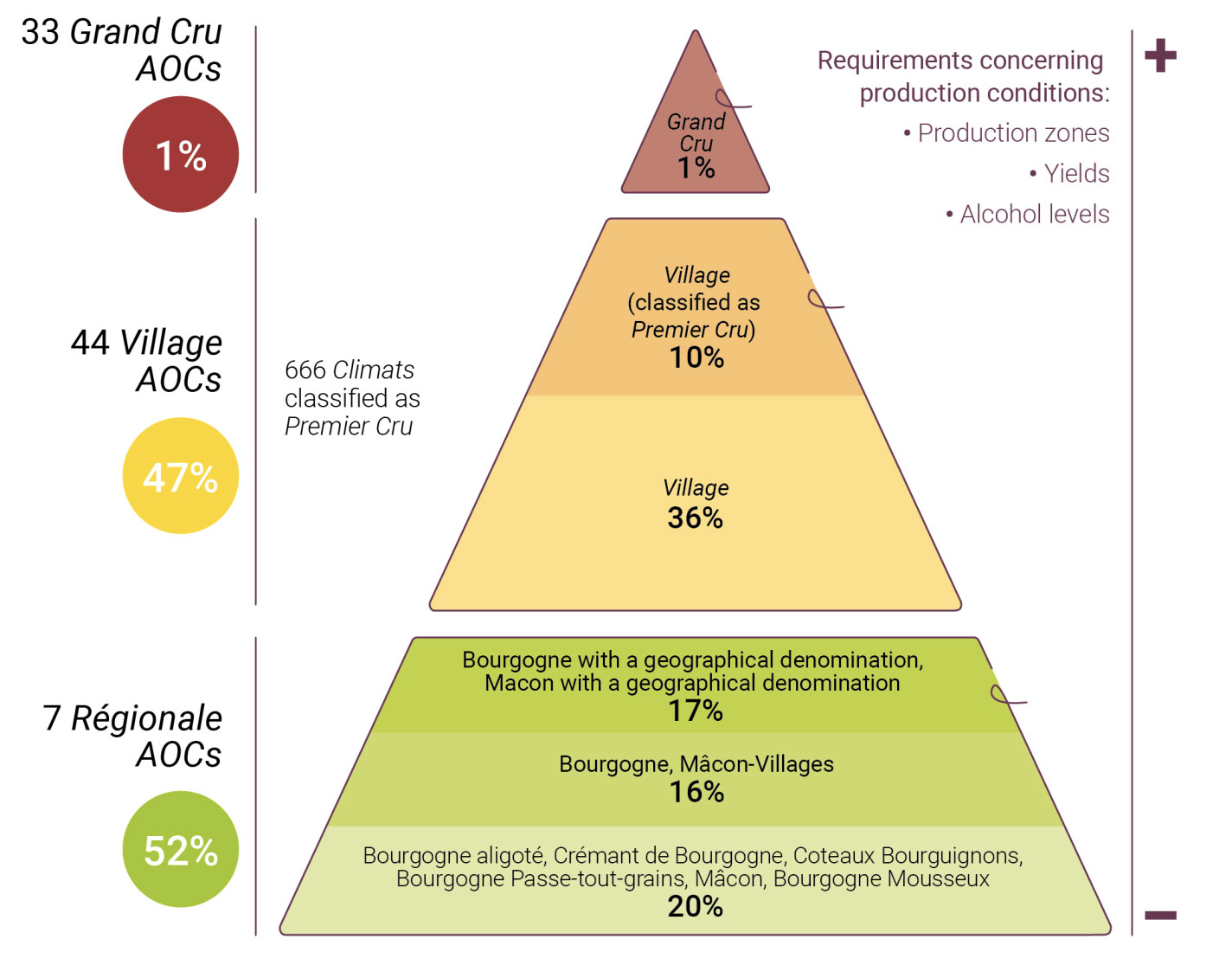
Today, Burgundy boasts 84 AOCs: 33 Grands Crus, 44 Villages appellations (including many Premiers Crus) and 7 Regional appellations. This diversity reflects a mosaic of terroirs of remarkable precision. A regional appellation covers a vast territory, while a Village appellation corresponds to the perimeter of one or more communes. Premiers Crus and Grands Crus, on the other hand, are delimited with extreme precision, often on the scale of a single climat - sometimes just a few hectares.
Climats de Bourgogne - UNESCO listed heritage and a local specificity
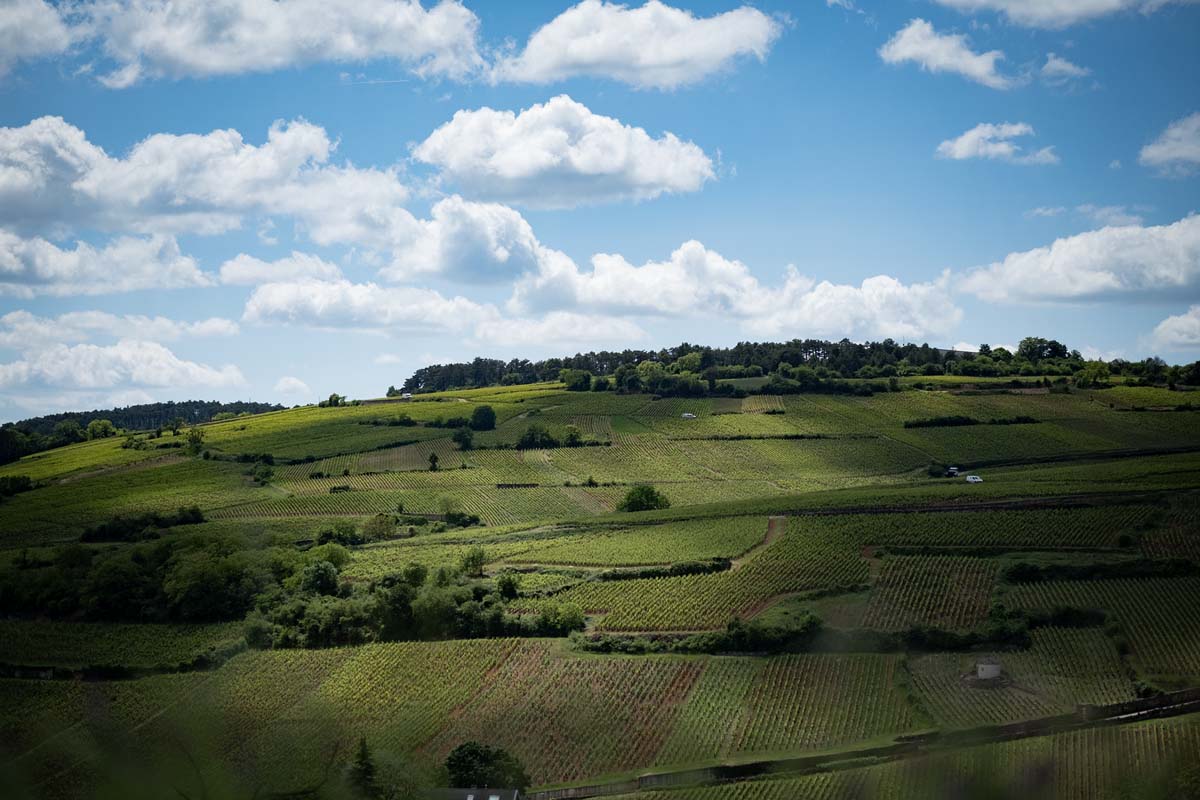
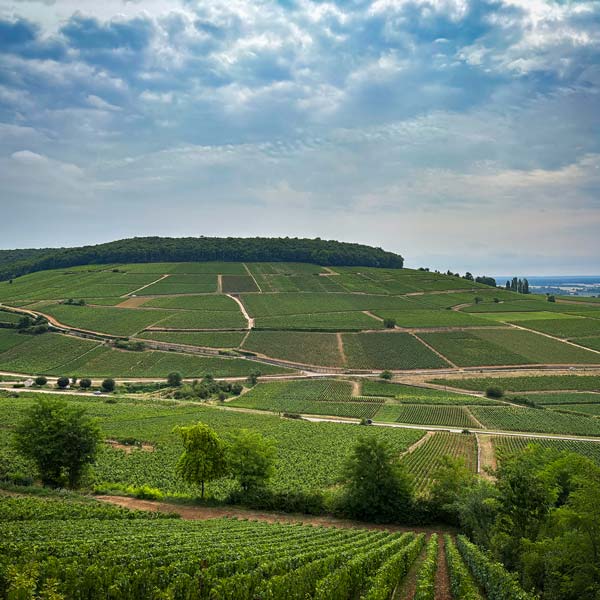
In Burgundy, a Climat refers to a precisely defined vineyard plot ("parcelle"), gradually delineated by people over time and identified by a name that has often existed for centuries, sometimes since the Middle Ages. Each Climat is characterized by its own geological features, water conditions, exposure, and weather microclimate.
Grapes (Chardonnay or Pinot Noir in vast majority) from a given Climat are vinified separately, usually from a single grape variety, and the resulting wine takes the name of that parcel. Thanks to the winemaker’s expertise, the identity of the Climat is expressed in the wine, vintage after vintage. This close relationship between a wine and its place of origin is unique in the world. Climats therefore represent the very essence of the Burgundian winegrowing model.
One example: the Montrachet Climat, classified as Grand Cru, whose area extends across the villages of Puligny-Montrachet and Chassagne-Montrachet in the Côte de Beaune.
Lieux-dits is another word very often used, and closely linked to Climats. Since the creation of the land registry in France, a lieu-dit refers to a portion of land whose name reflects a topographical, historical, or landscape-related feature. In Burgundy, the terms Climats and lieux-dits have long been used interchangeably, and are sometimes confused. However, a distinction remains: a single Climat may include several lieux-dits, while a Climat may also correspond to only part of a lieu-dit.
Appellations classification criteria: precise and demanding
Several criteria determine the level of an appellation. Geographical delimitation is essential, but is accompanied by technical requirements. Yields, expressed in hectoliters per hectare, are lower for the higher levels, to favor concentration and quality. Finally, grape varieties play a key role: Pinot Noir reigns over the reds, while Chardonnay dominates the whites. Two varieties, infinite nuances - that's the magic of Burgundy.
The importance of vintage (millésime)
While soil and climate are essential in defining an appellation, the vintage and the work of the winemakers are just as decisive in determining the final expression of a wine. Every year, the weather - rain, frost, sunshine - influences the ripening of the grapes and the concentration of aromas. As a result, the same climate can produce different wines from one year to the next, offering wine-lovers an infinite variety of sensations. The vintage thus becomes a unique signature, a snapshot of terroir and climate. Discover the recent Hospices vintages in detail
Vintage guide at Hospices de Beaune
Every year is different. Discover its flavour