



Collector's Edition
Magnum & Jeroboam in a wooden case
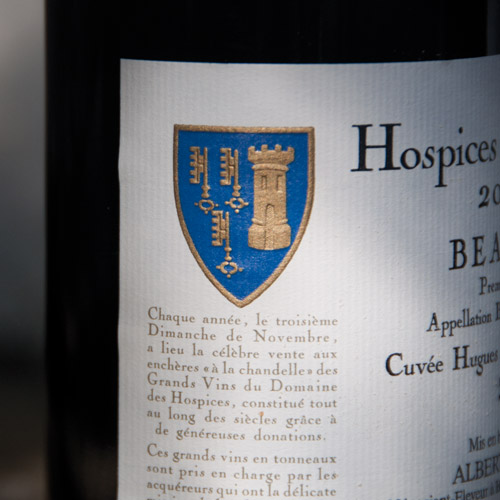
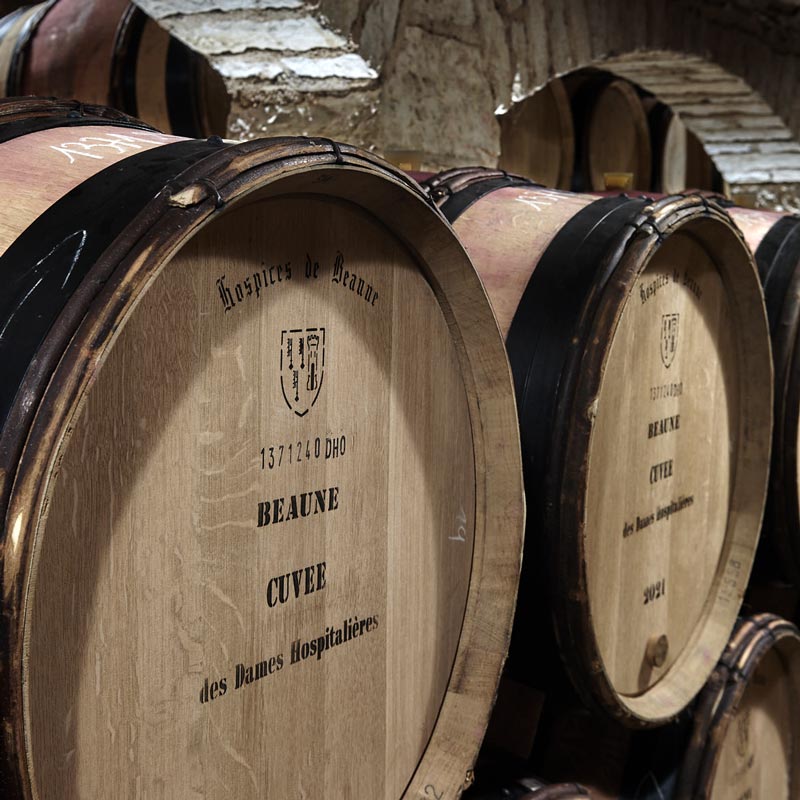
Beaune 1er Cru Dames Hospitalières 2026
• 1 iconic wine from the Domaine des Hospices de Beaune
• Magnum or jeroboam size to extend the aging potential of the 2026 vintage
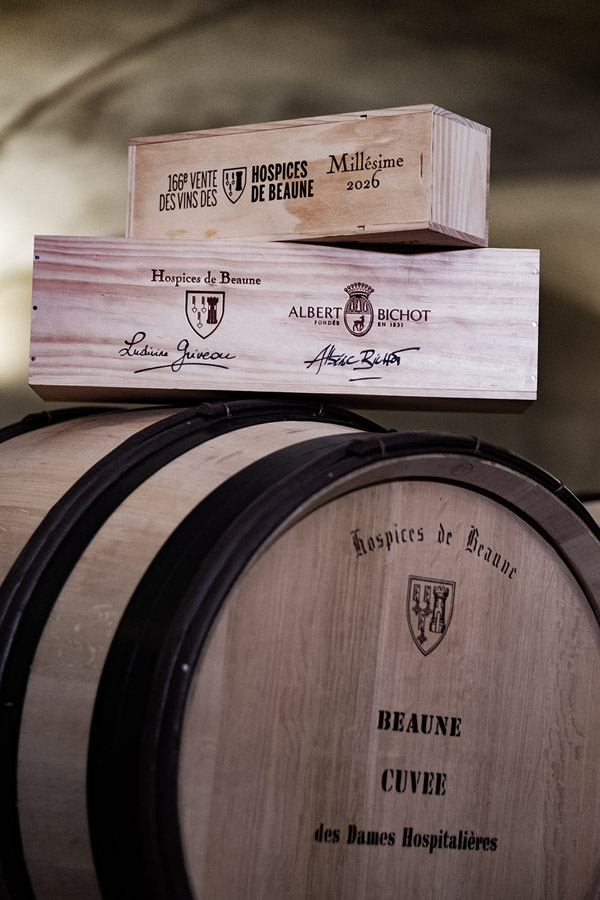
• Collector's edition wooden box, personally signed by Ludivine Griveau and Albéric Bichot
An iconic cuvée honouring five centuries of the "Soeurs Hospitalières" at Hospices de Beaune
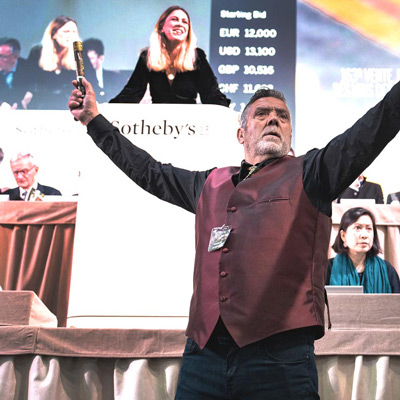
The auction always begins with this iconic Cuvée (wine). It is named after the nuns who cared for the sick from the very founding of the Hospices in 1443, some of whom even made significant bequests to the institution. This great wine for a great cause bears witness to five centuries of hospital history and the world’s most famous charity auction, the proceeds of which continue to support the Beaune Hospital to this day.
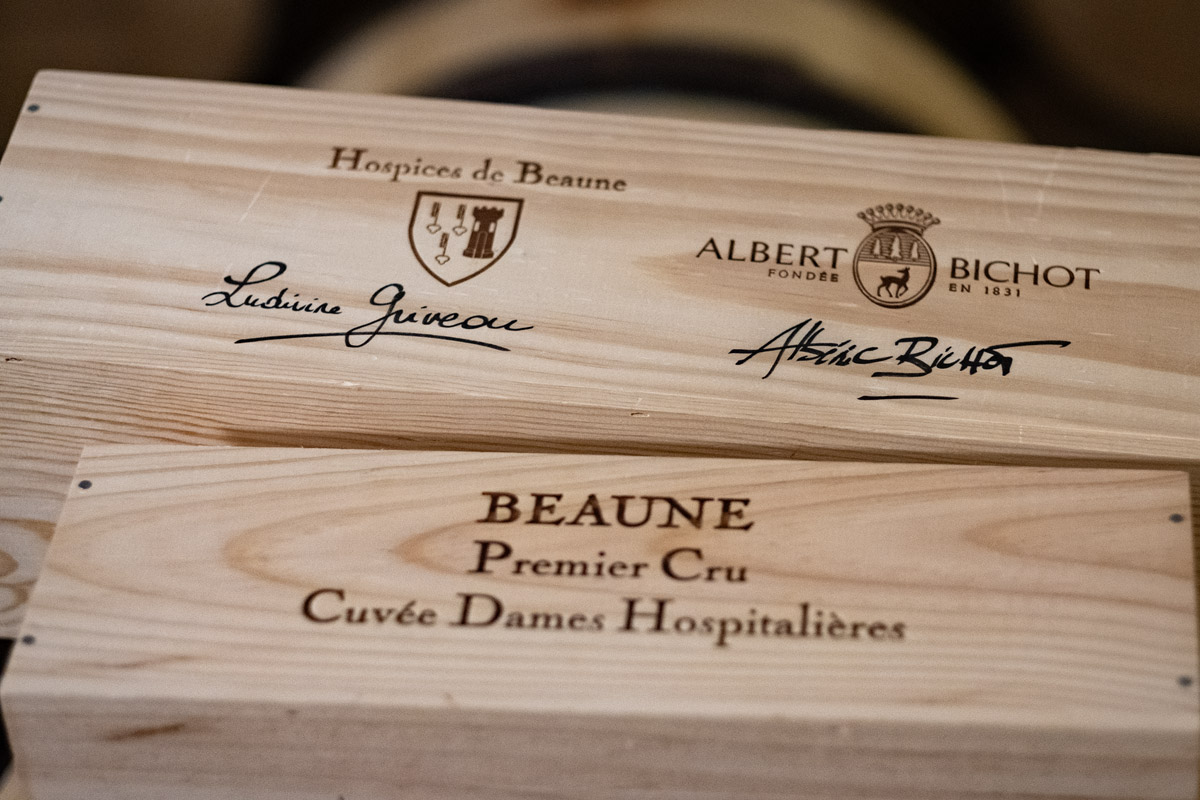
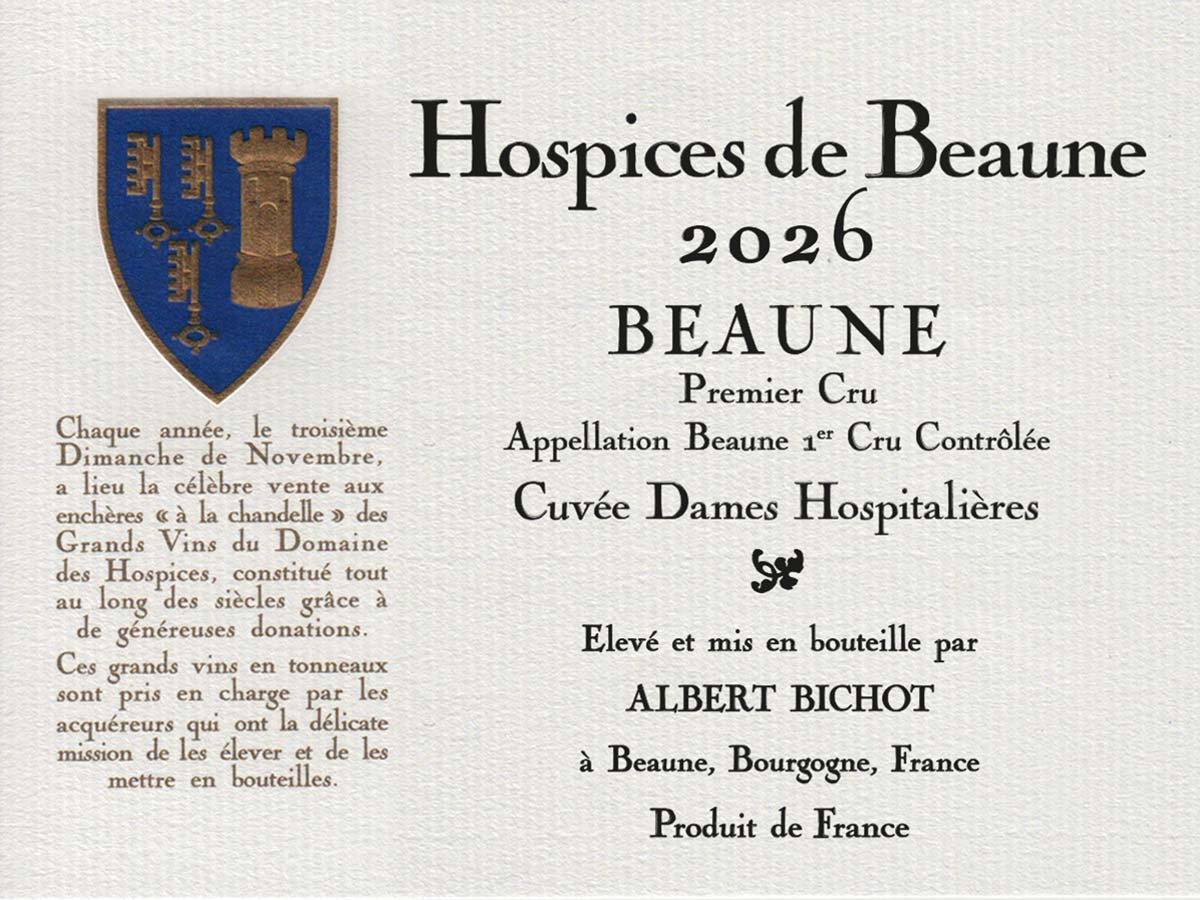
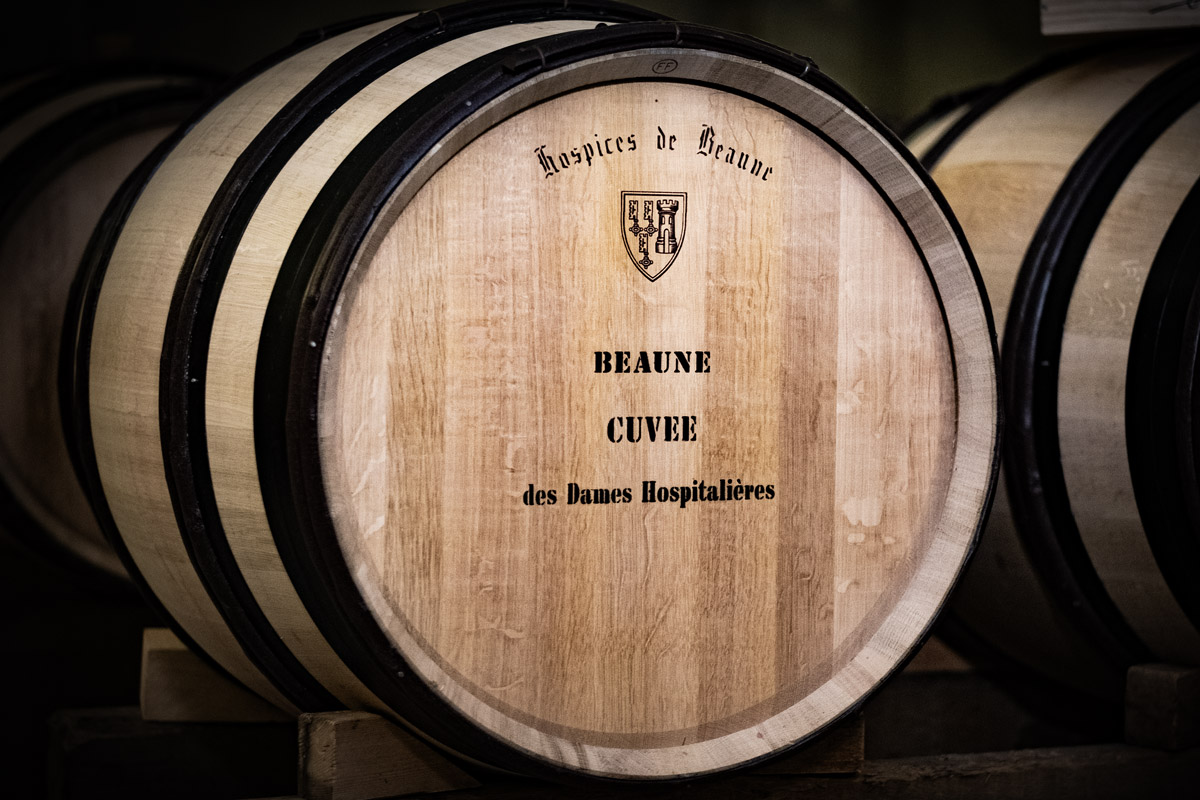
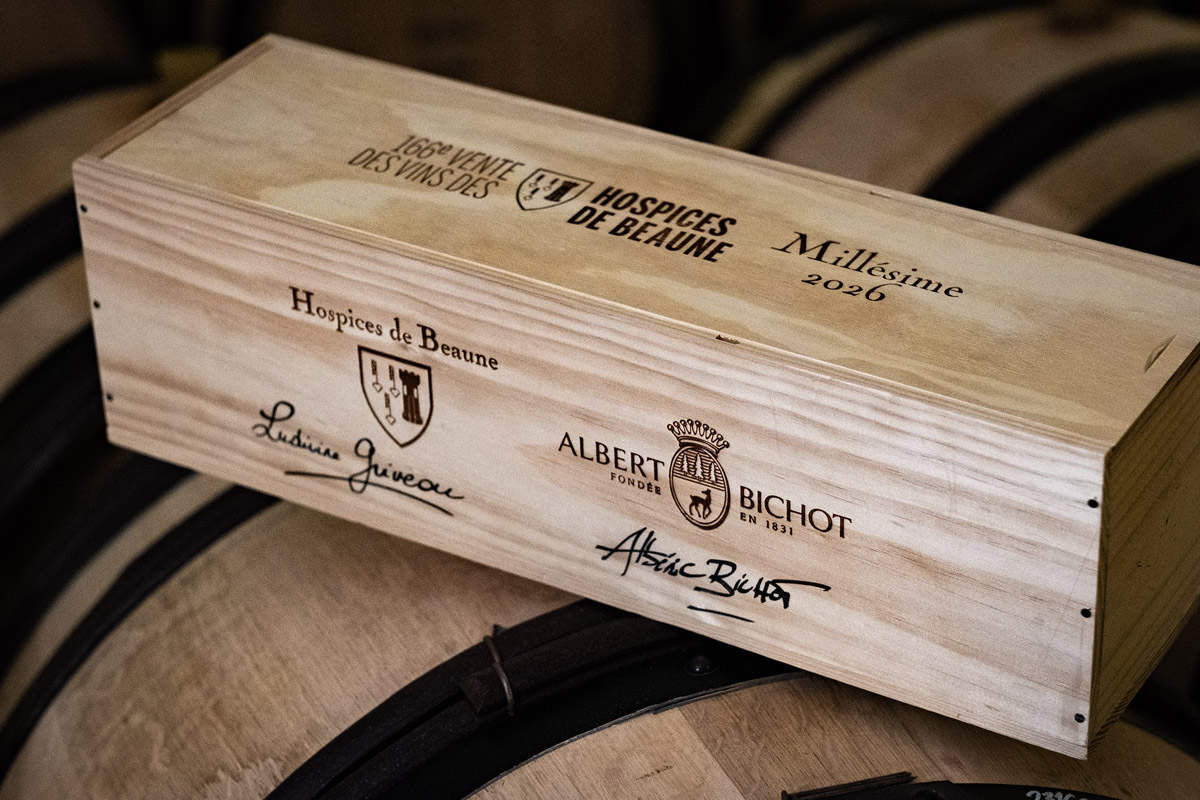
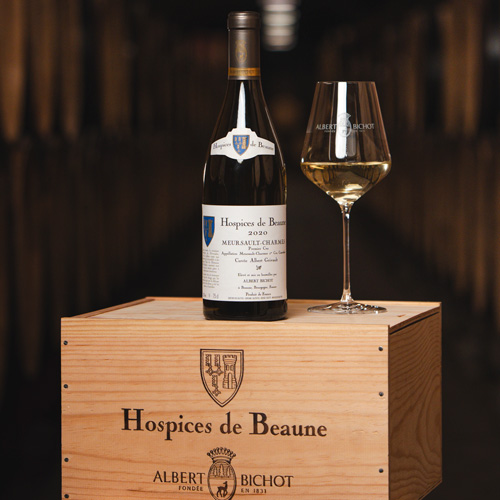
Magnum and Jeroboam: a generous size, in a collector's wooden case bearing the winemakers' signatures
The large Magnum (150 cl) and Jeroboam (300 cl) sizes will enhance the quality of this exceptional wine and extend the aging potential of the 2026 vintage.
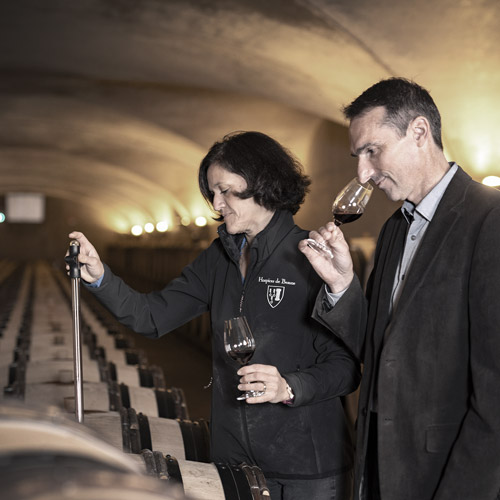
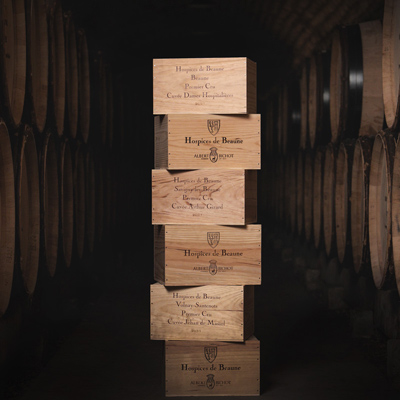
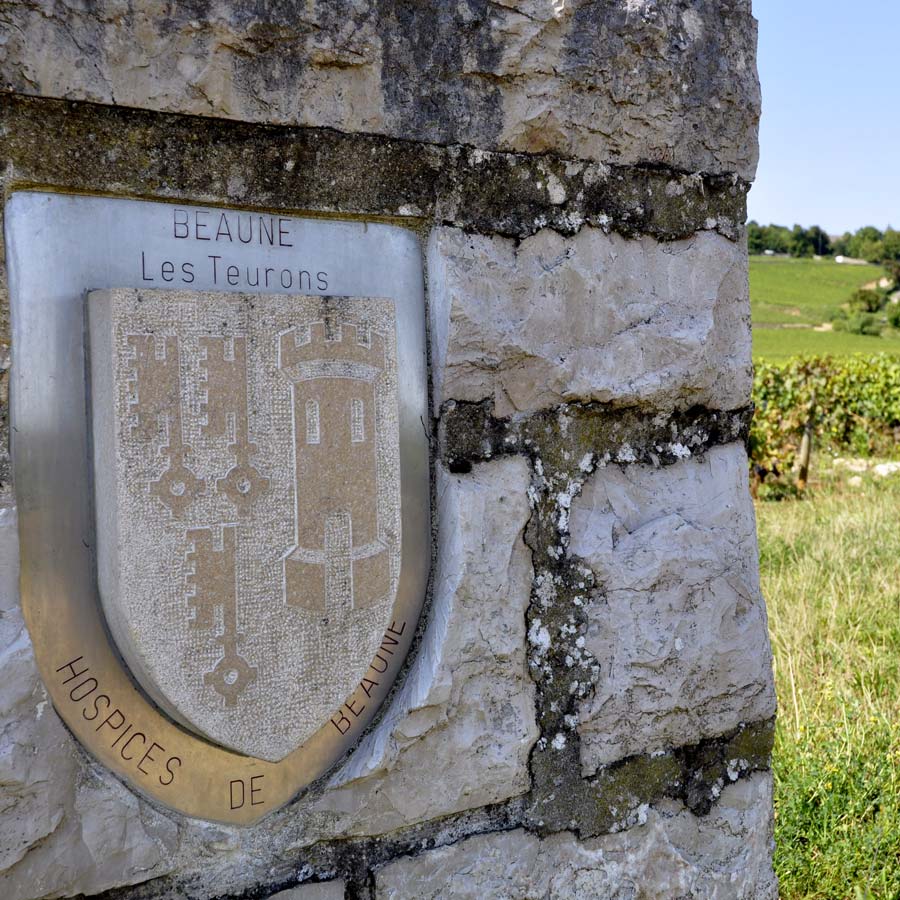
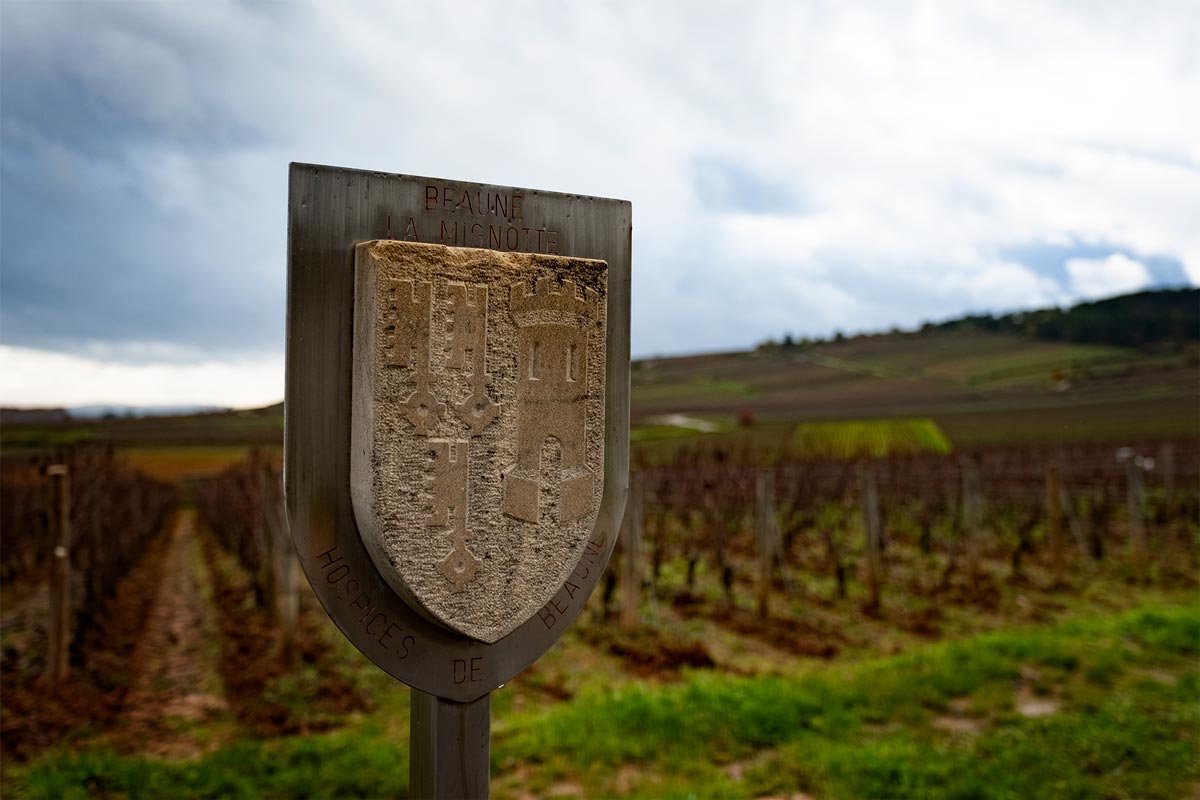
Each bottle will be delivered in a single wooden case, engraved with the coats of arms of the Hospices and Albert Bichot. This presentation case will be individually signed by Ludivine Griveau, Hospices de Beaune winemaker, and Albéric Bichot, in charge of its aging in our cellars and who has actively carried on our house’s support for this exceptional charity auction since our first participation in 1876—150 years ago.
A collector’s edition to be treasured in your cellar for many years… before savoring this great wine from the Hospices with deep emotion.
An iconic wine from the Hospices, from the great 2026 vintage, perfect for aging
Tasting Notes
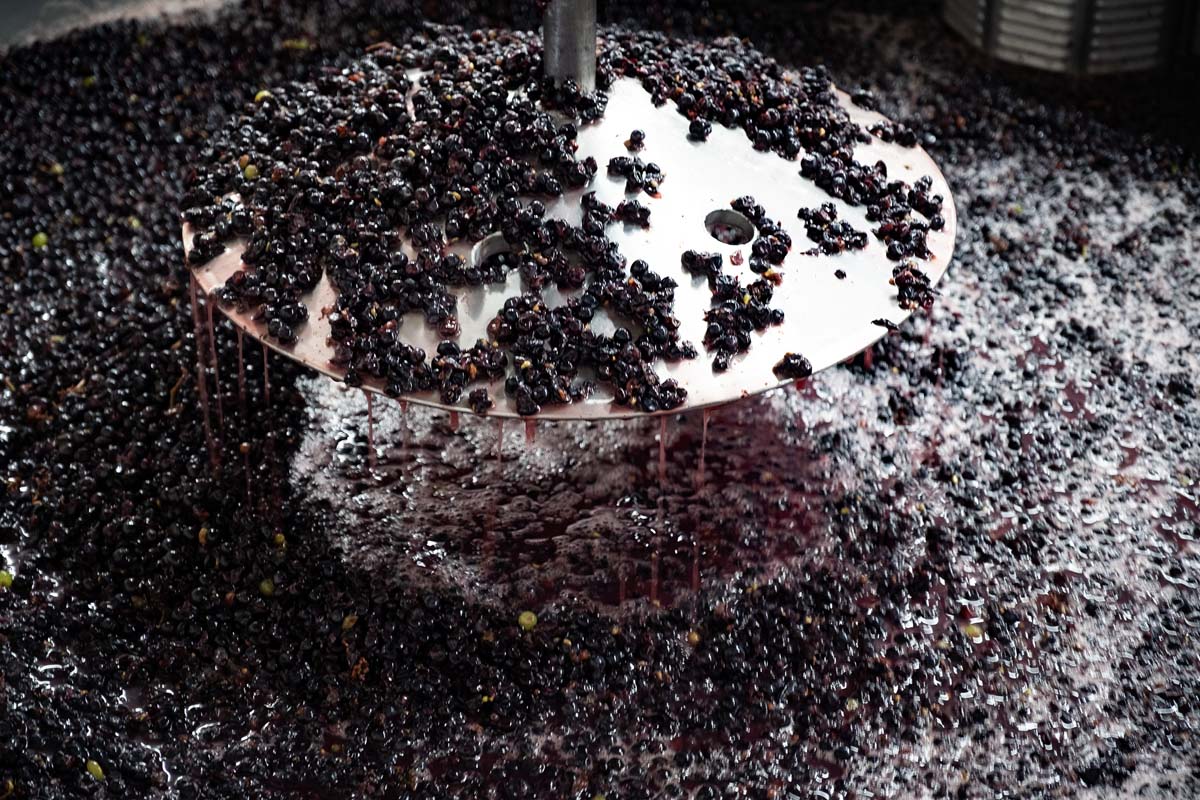
Intense purple color. Nose: beautifully ripe aromas combining stone fruits, raspberry, and black berries. A wonderfully generous, almost voluptuous wine, with a palate that benefits from considerable body. The finish, still straightforward at this stage, is elegant. The wine’s potential depth and beautiful texture will take a little time to fully unfold. Aging in our Albert Bichot cellars will support its potential, which is already evident.
Food and Wine Pairings
This exceptional vintage will offer beautiful aromatic harmonies with a wide variety of dishes. Given its full-bodied nature, it pairs beautifully with grilled meats or a hearty beef bourguignon, depending on the season. Its character also complements delicately spiced dishes—vegetarian options included—such as an eggplant gratin or a butternut squash soup. A nice cheese platter, with a bit of character, won’t faze it! To finish the meal, a strawberry soup will provide a lovely tart counterpoint.
Terroirs
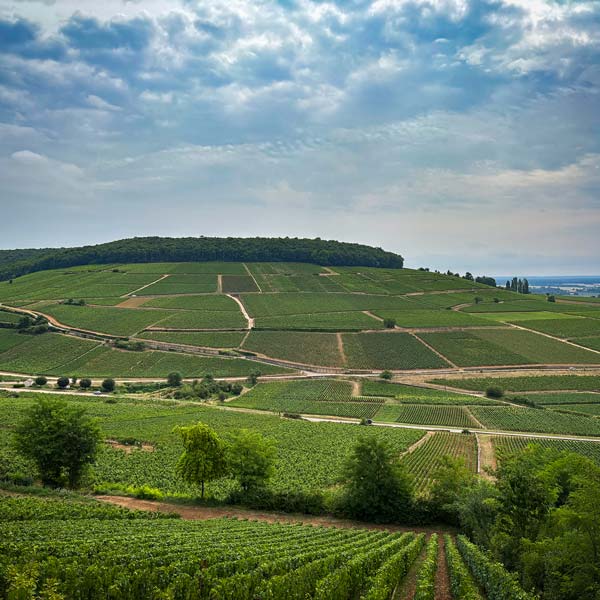
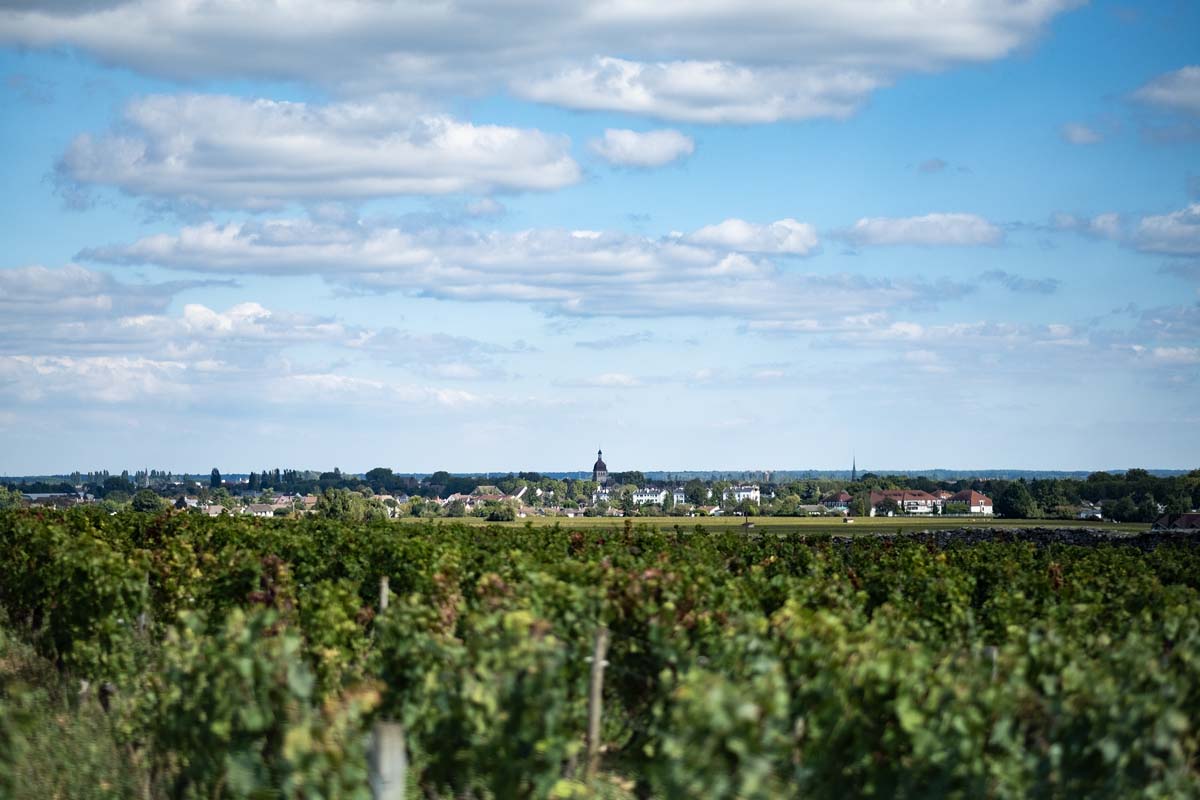
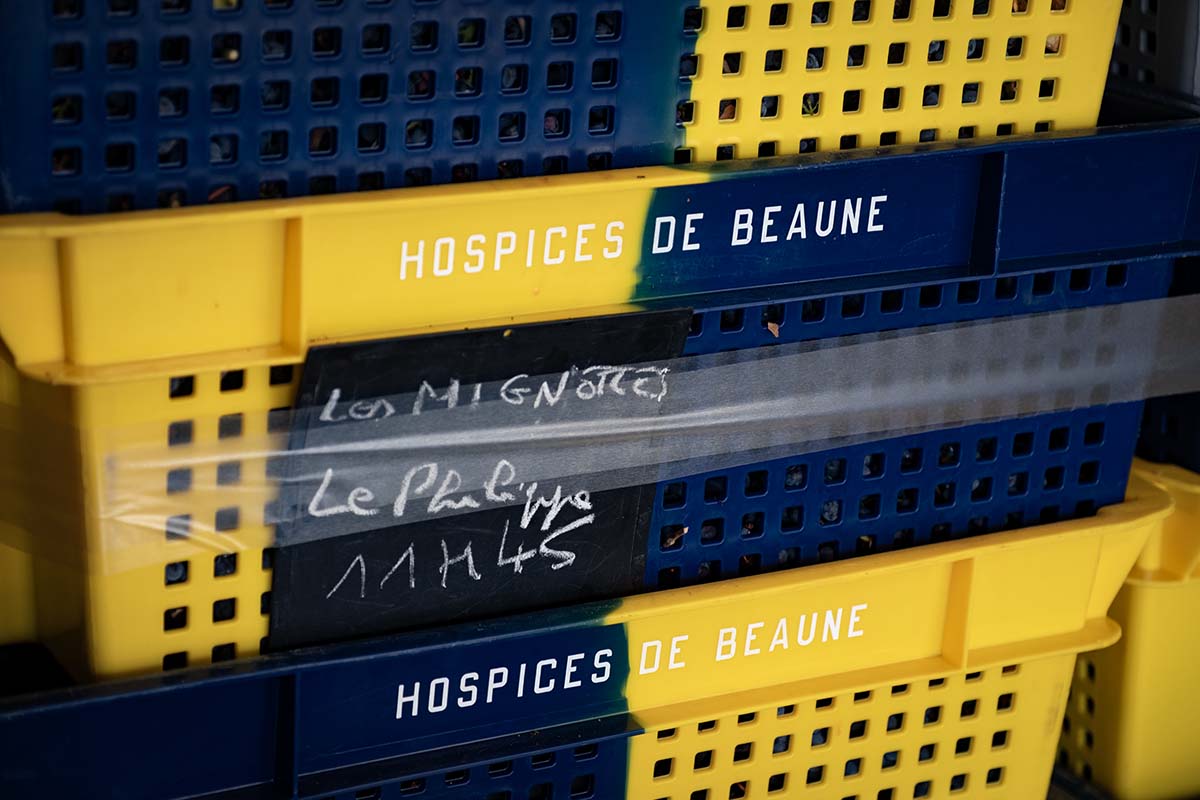
This cuvée is composed of the Premier Cru vineyards Bressandes, Teurons, and Mignottes—climats chosen with as much care as the name of the cuvée itself. While the Bressandes, located high on the hillside with light, marly soil, contribute finesse, it is undoubtedly the Teurons—with their rockier marl—that give the mid-palate its dense, salty character. The Clos de la Mignotte, with its very old vines, underpins the whole with a full-bodied, tannic character.
This is a wine that combines aromatic intensity, breadth, and perfectly balanced structure. These qualities are highlighted by the strengths of the 2026 vintage.
From the Hôtel-Dieu of 1443 to the Present: The Wonderful History of the Soeurs Hospitalières
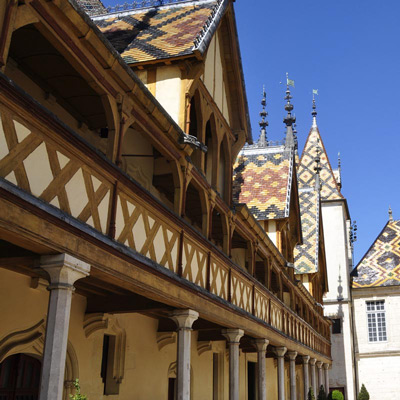
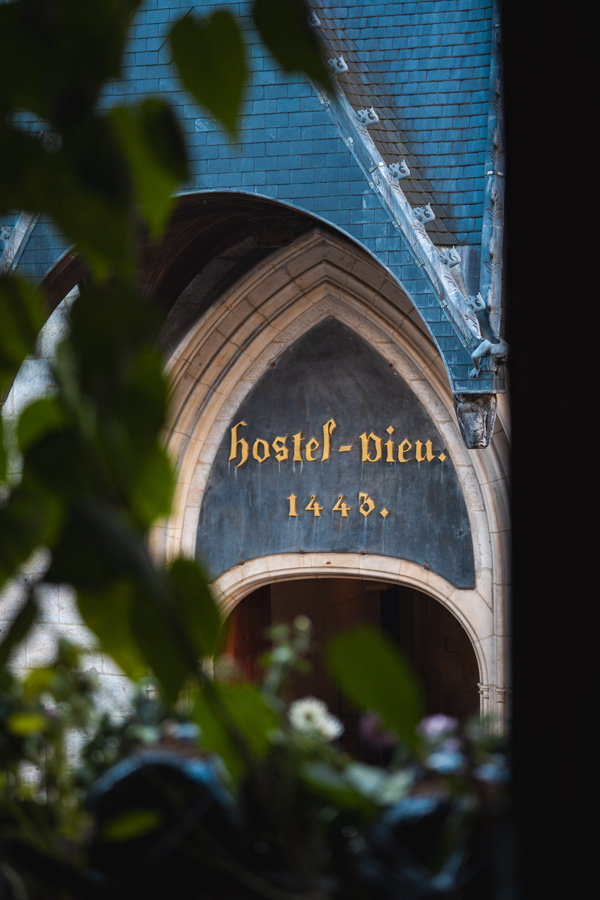
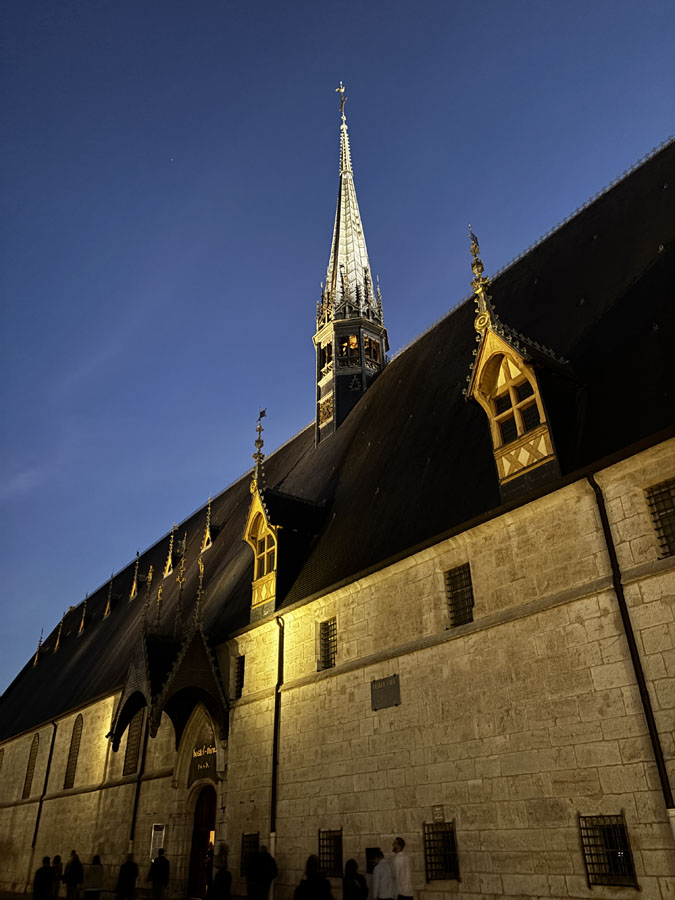
In 1443, Nicolas Rolin, chancellor to Philip the Good, Duke of Burgundy, and his wife Guigone de Salins founded the Hôtel-Dieu de Beaune. The region was then emerging from the Hundred Years’ War, ravaged by poverty, famine, and epidemics. The couple endowed the institution with substantial revenues and wanted it to provide free care to the “poor and sick.” The first patient was admitted on January 1, 1452. To care for the sick, Nicolas Rolin brought in nuns from the Burgundian Netherlands, following the model of Flemish hospitals, particularly the one in Mechelen. This marked the origin of the community of the Hospitaller Sisters of Beaune.
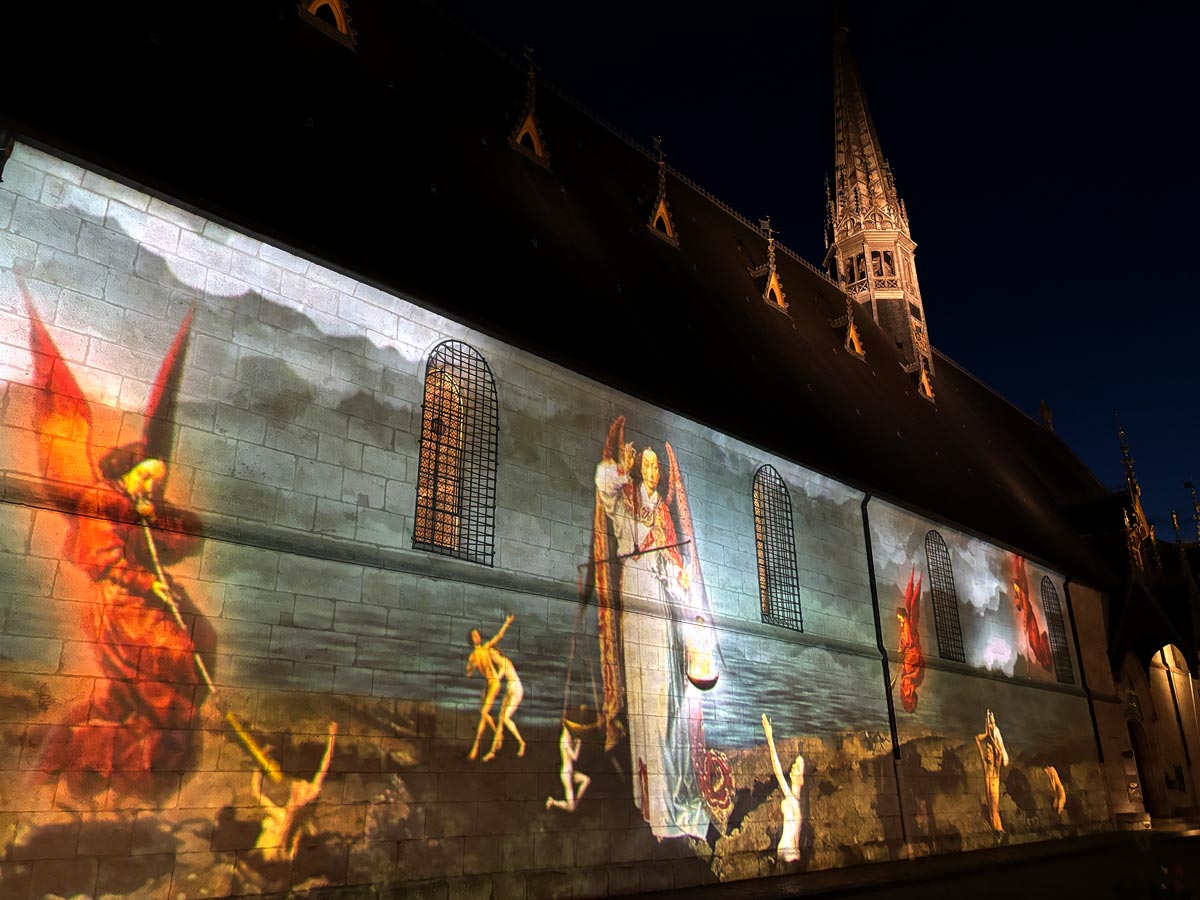
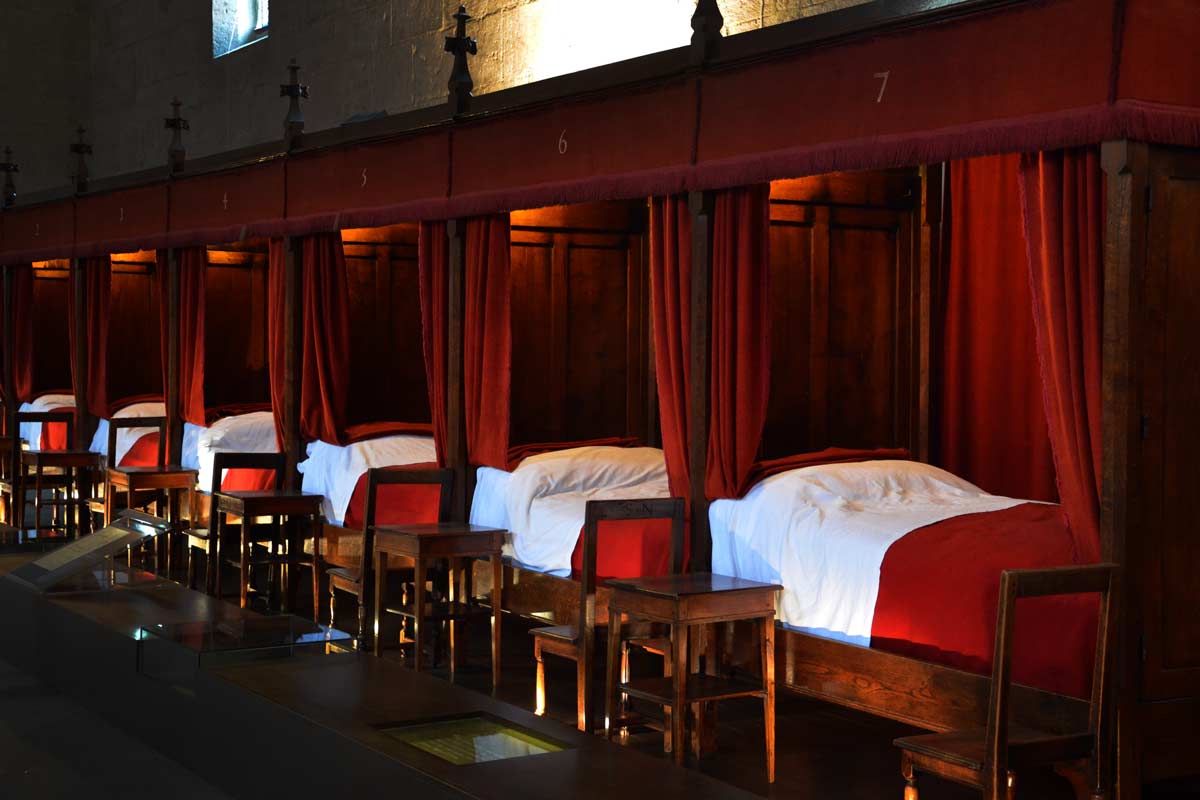
From the very beginning, these sisters distinguished themselves from cloistered orders. They devoted themselves entirely to the service of the sick, day and night, in the Great Hall of the Poor, the kitchen, the pharmacy, and the apothecary’s shop. Guigone de Salins herself retired to the Hôtel-Dieu after her husband’s death and served there until her own death in 1470. She embodied the foundation’s ideal of charity. Their rule, habit, and headdress—inspired by Flemish traditions—became the very symbol of the institution.
In the 16th and 17th centuries, the community organized itself and grew stronger. Its model of care and religious life spread beyond Beaune: sisters trained at the Hôtel-Dieu went on to serve at other hospitals in Burgundy and neighboring regions. Meanwhile, the hospital was enriched by donations and bequests, particularly of vineyards. The Hospices’ vineyard estate was thus established and funded the hospital’s operations. The sisters played a full role in the day-to-day management of this “house for the poor,” which had become a prestigious institution.
The French Revolution upended the institution: the hospital was renamed the “Hospice d’Humanité,” and the religious congregations were dissolved. Yet the sisters, indispensable to the sick, remained largely present and officially resumed their roles at the beginning of the 19th century. During this period, the Hospices’ reputation grew with the sale of wines, which were auctioned off beginning in 1859. The sisters remained at the heart of hospital life, balancing religious tradition with advances in medicine.
In the 20th century, medicine modernized and vocations declined, gradually transforming the sisters’ role. In 1971, patients moved from the medieval buildings to a modern hospital, and the Hôtel-Dieu became one of the most visited museums in France. The sisters continued their mission for a time in the new wards and in nursing homes, but their community gradually dwindled. They left a profound mark: for more than five centuries, they carried on the charitable work envisioned by Nicolas Rolin and Guigone de Salins. Their legacy remains inextricably linked to the identity of the Hospices de Beaune.
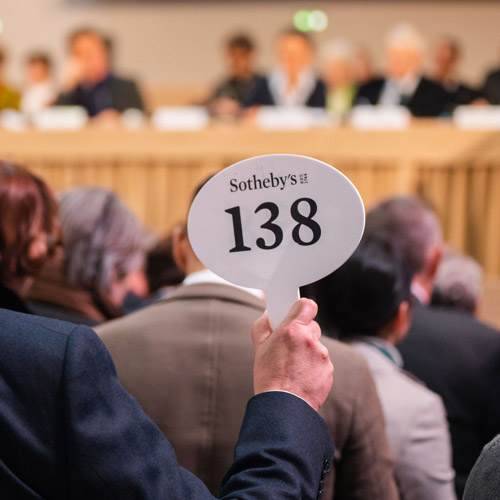
Easily bid at the Hospices de Beaune auctions with Albert Bichot — our two options from 1 bottle to 1 barrel (or a share of a barrel)
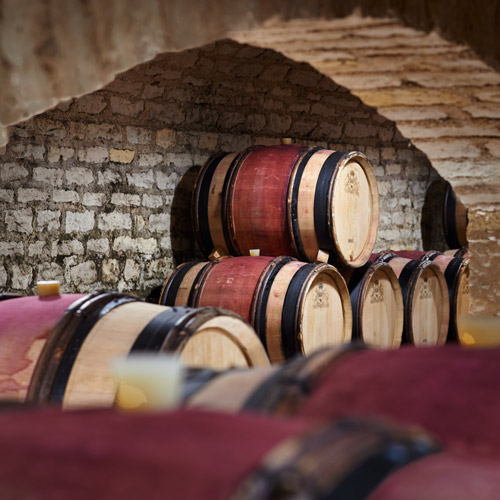
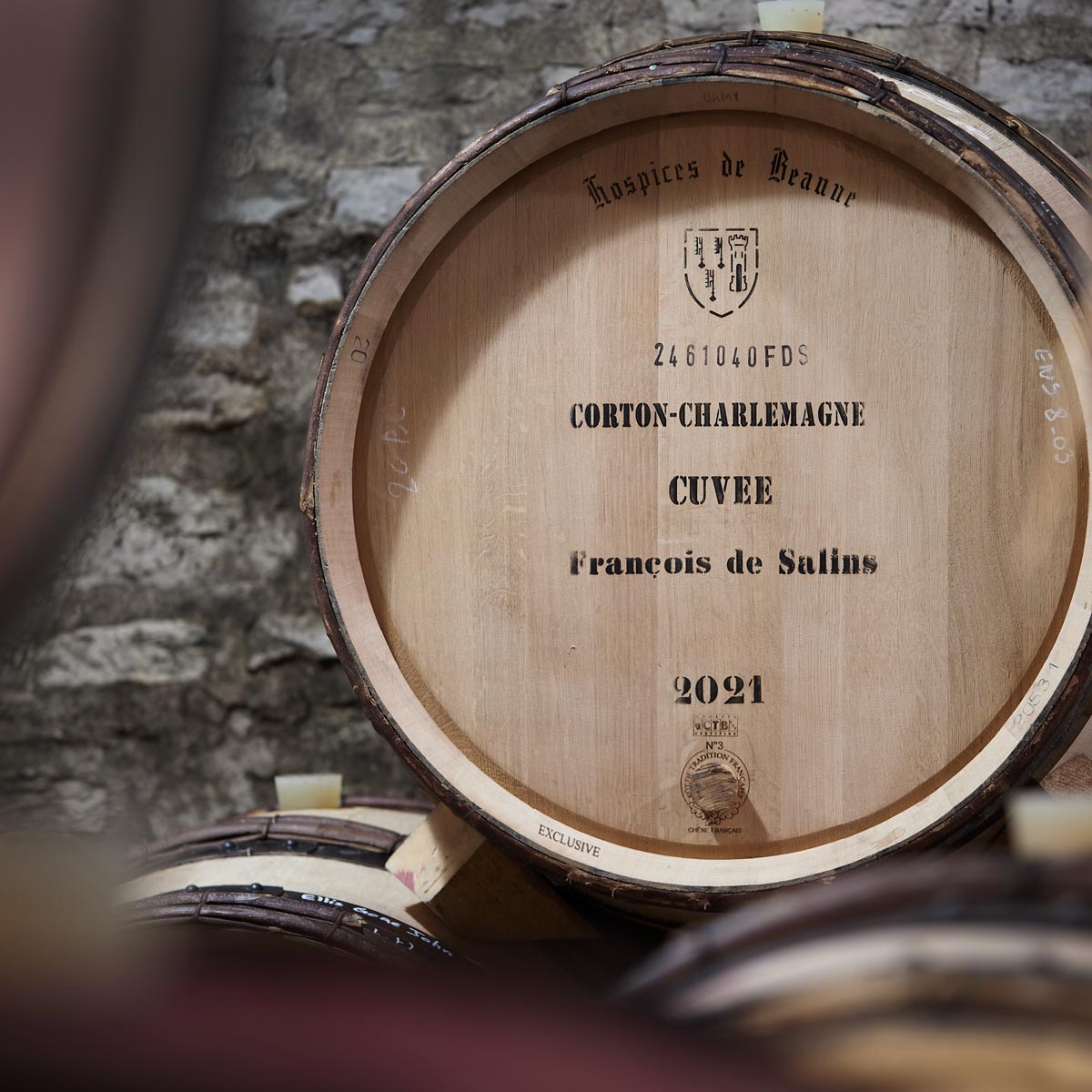
Buy a full barrel (288 bottles)
or a fraction at the next
Hospices de Beaune auction
52 EXCEPTIONNAL WINES TO CHOOSE FROM
DEDICATED CUSTOMER SERVICE
FROM JUST 72 BOTTLES (1/4 BARREL)
LIVE A UNIQUE EXPERIENCE
Buy at the next Hospices auction
from just 1 bottle, exclusively with Albert Bichot
ONLINE PURCHASE OF 2 WHITE OR 3 RED WINES
SELECTED BY ALBERT BICHOT
CUSTOM LABEL OPTIONAL